How tension ages the face (and how to !!! reverse it!!!)
The face is our most expressive and communicative organ, where we perceive our consciousness to ‘reside’, and through which we receive and process most information from our real-ity. It is through our face that we receive most of our reality-inputs, and express our internal-outputs.
(wtf you do that for?)
“Face physiognomy” is the practice of assessing a person’s character, personality, or future fate based solely on their facial features.
Being such an essential and vital organ to our reality-interaction, it would make sense that our face would profoundly reflect and communicate who we are.
That is not to say that humans have completely accurately figured out how to evaluate people through their faces. In my experience (I had some interest in face reading and physiognomy in the past), our conscious and deliberate ability to articulate and conceptualise face-reading is still quite primitive, in the same way our medical understanding of the body’s biology was once crude and basic. Certain very general principles and correlations have been tested and ‘proven’, but more sophisticated and nuanced definitions have still not been properly developed.
(Digression)
If we assume that our ancestors were of comparable intelligence, we should not easily dismiss the reality-models that they developed such as face reading, physiognomy or astrology. Certain reality-models that gained currency across space-time probably did so because there was some observational truth and consistency to what the models claimed and predicted.
We can imagine that direct and basic observations were probably true and accurate in their context. For instance ‘the cat is black’.
But the theories and inferences created around factual observations and correlations are likely to be a lot more inaccurate. "the cat is black because it is vile/ parents were black/ painted black/ grew old/” etc.
Because its much simpler and easier to make an accurate observation-correlation than a theoretical causal-model to explain these observations.
So i’ve found that a lot of observations in astrology and physiognomy can be stunningly accurate and precise. But the more one tries to pinpoint causal principles or make far-reaching inferences or predictions (that are likely to diverge from the local context the initial observations were made), the more it starts to seem unconvincing and meaningless to me.
For instance, in Chinese face reading, certain facial traits are associated with wealth, blessings, fortune, etc. But the context and conditions of Ancient China are so divergent from modern society that these associations no longer hold true. Women in ancient China had certain very rigid and narrow societal roles and expectations - they were expected to only be concerned with domestic household matters. Women who had personalities that were more suitable to these roles would naturally be more fortunate, whilst those with more independent, rebellious, or adventurous personalities would struggle more to find their place.
But when these observations are more ‘basic’ and immediate, I found them to be often compelling and convincing. Those with bigger and brighter eyes seem more friendly, open, expressive and inquisitive whilst those with smaller, monolid eyes seem more reserved, guarded and practical. I myself noted how the differences in my left/right side translated to how I interacted with different groups of people - with familiar friends, I’d be extraordinarily open and mischievous, but to strangers, I would appear formal and reticent.
And certainly, some observations appear to be universal. People who ‘look’ tense and angry…probably are so, most of the time. Those with sagging and wrinkly skin are usually older in age. And a person with facial traits that suggests he interacts with reality in a positive and intelligent way will probably find ‘success’ much easier (though not divinely-guaranteed) than someone who is dull and defensive. We can expect the body’s vitality and vigor, which can be a predictor but not a guarantee for success, to be reflected in the face.

The tension-charge model first makes the observation that unhappy people appear tense. Then the causal theory is suggested - people are unhappy because they are tense. It could also be that people are tense because they are unhappy, but the former makes more sense to me.)
However, just as listening and following our body’s signals is in general the ideal way towards relative health, we probably have a generally accurate unconscious and intuitive interpretation of faces.
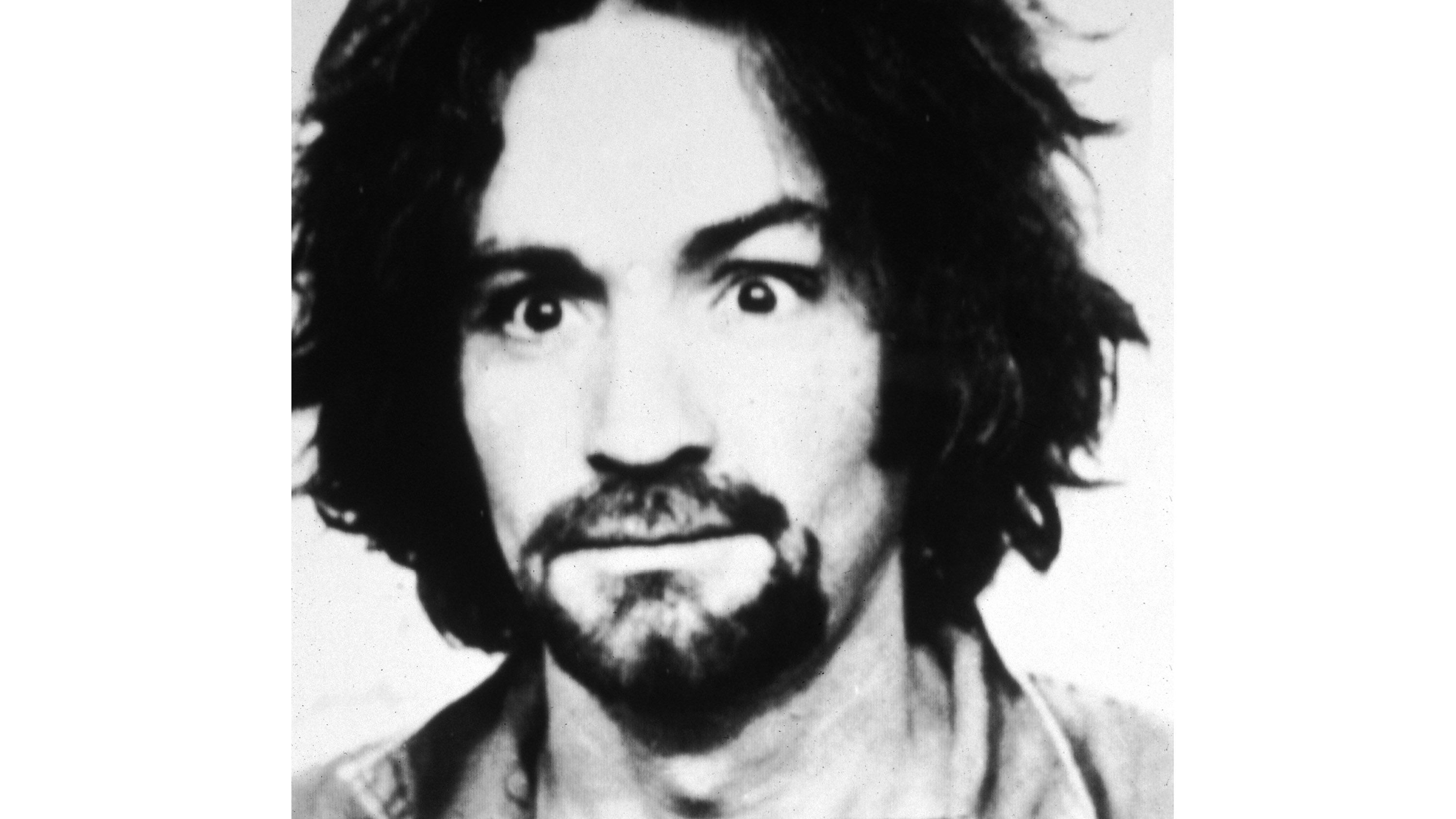
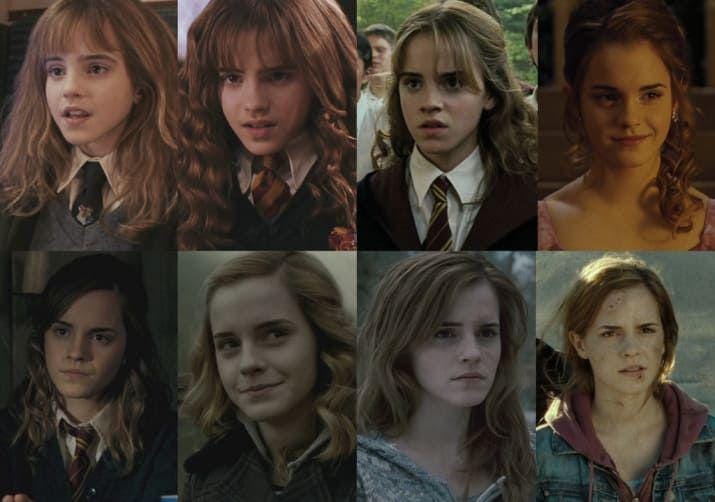
We immediately judge and evaluate a person based on how they look. So why is a youthful face so desirable?

Well…not quite. Youthfulness is relative. I doubt most people want to look like babies or young children.
What people desire to look is their best/ peak/ prime.
Which tends to be around the 20-30s in terms of physical attractiveness.
So we don’t want to look young, we want to look our best.
Our 20s-30s is where most people look their best. In their teens, people still have a significant degree of insecurities and immaturities. Past their 30s, the tension-charge has accumulated and started to degrade the face and body to a noticeable degree.
In our 20s-30s is where most people’s optimal function peaks. They might not be the wisest, happiest, or wealthiest at this age, but their general overall functioning capacity is probably at its peak.

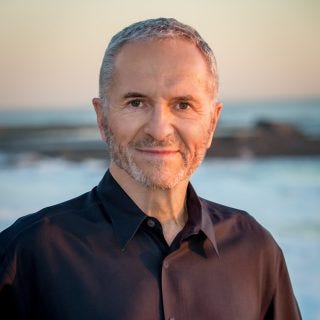
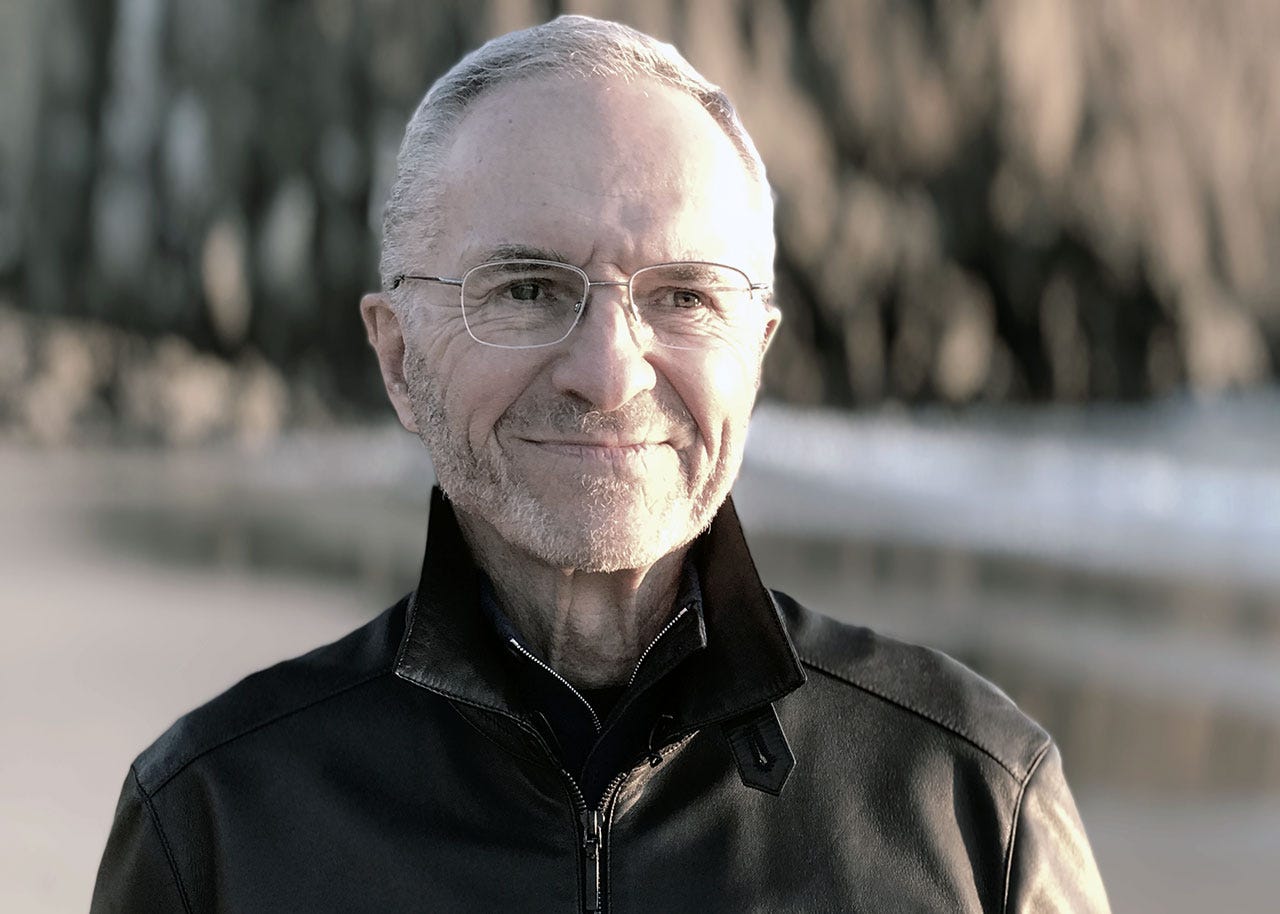
Ed Thorp…guess his age in these photos…
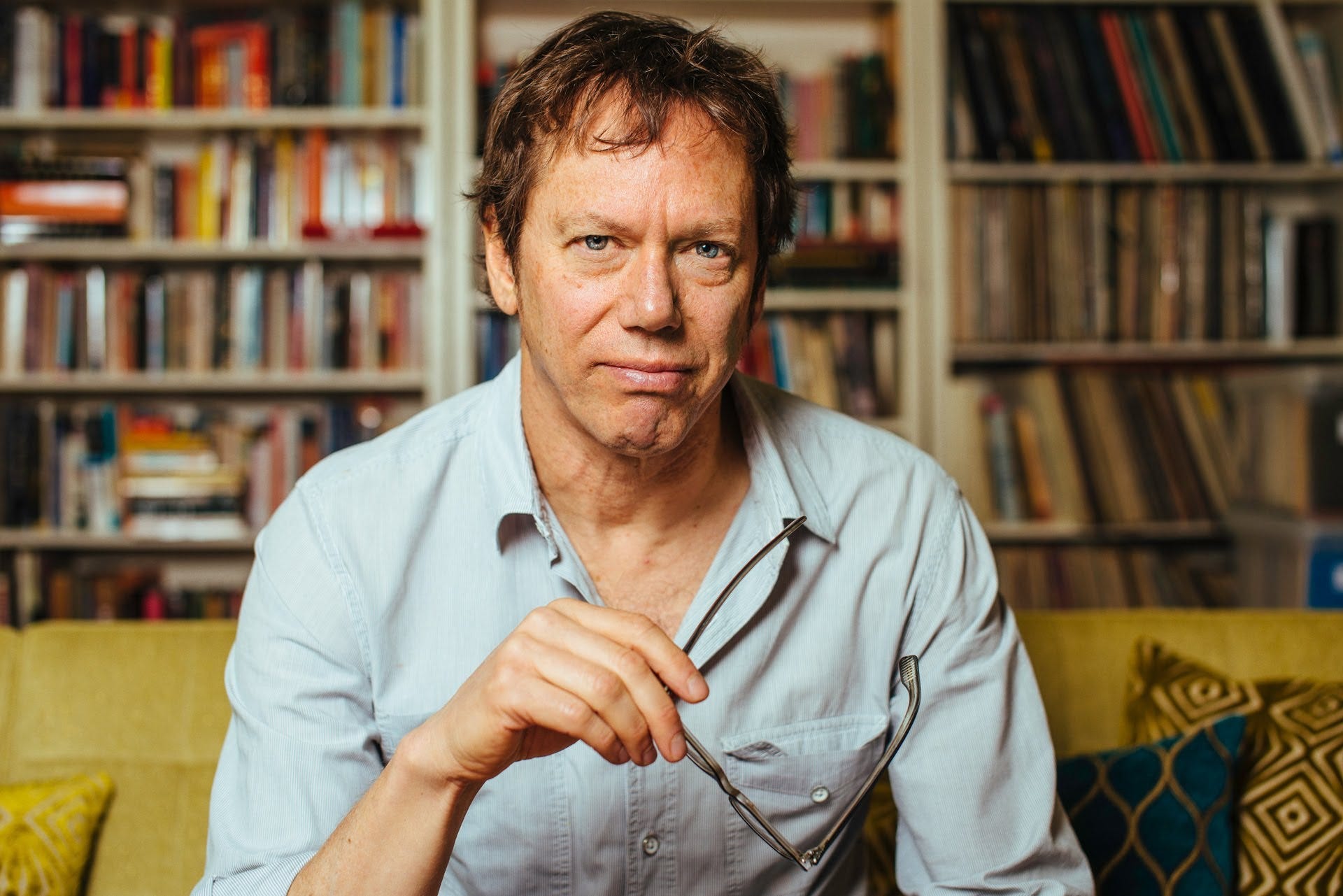
As compared to Robert Greene…who is more than 20 years…younger!
Greene is 66 as of 2025, and Thorp is 93(!)
And now we have the final aging HACKER
Chuando is probably the best real-life model for my tension-charge model.
Ed Thorp looks about 30 years younger than his conventional age, but he definitely looks off his peak/ prime. Chuando however doesn’t look or sound ‘off’ his peak. Chuando looks like he is still at his peak.
(I read that Chuando does have fine wrinkles and also some grey hair which he dyes black. Nevertheless…)
And if you watch the video and notice how he speaks, vocalises, thinks and acts, it all aligns with my tension-charge model.
His voice is clear and smooth - no strain or ‘croakiness’.
His overall demeanor is extremely calm and relaxed. No twitchiness, no agitation, no tension.
And he makes a very profound statement that he may simply be “a healthy version of someone my age”
When the body is healthy and relaxed, with minimal tension, time-accumulation (aging) simply doesn’t lead to tension-acccumulation (tension-charge) or damage-accumulation (biological damage-impairment).
And we would expect someone who is naturally healthy and vibrant looking (not via artificial interventions like facelifts or fillers) to be relaxed and free of tension.
If we use Chuando as our baseline, then instead of thinking that aging is something that is inevitable even if we take care of ourselves,
We should instead be thinking that aging is only inevitable if we don’t take care of ourselves.
Its just that the world doesn’t yet know ‘how’ to take care of ourselves.
And is waiting for me, the Promised One, the Prophecised Savior, the He Whose Time Hath Come, Here comes the
BOOM
How I think tension ages the faces is that tension has a general contractive quality to it.
Over time, as we accumulate more and more tensions, the body is put under greater and greater, accumulative, stress and strain from the unnatural chronic contractive forces. Our skeletal structure starts to get pulled out of place, creating postural imbalances, compensations, and the appearance of, in some places wrinkled and saggy skin, and in other places unusually thin and ‘tight’ skin. The fascia- the connective tissue that wraps around and interweaves through the entire body transmits these tensile and compressive forces. The organ-circulatory system (the heart, liver, kidney and all the various organs as well as the circulatory system like the blood vessels, arteries, nerves, etc) becomes squeezed and crushed, impairing their regenerative and restorative functions.


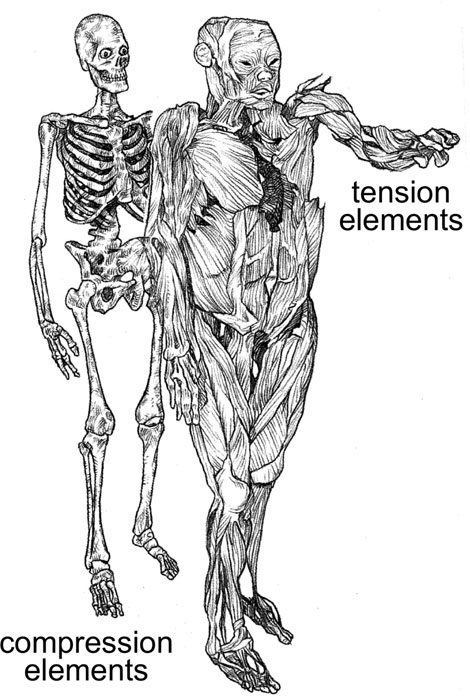
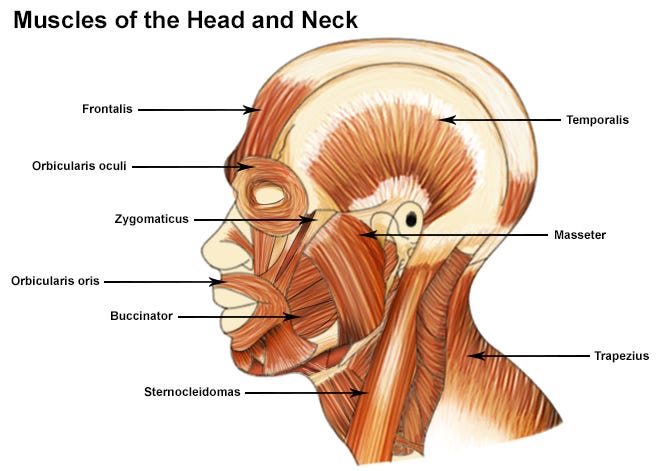
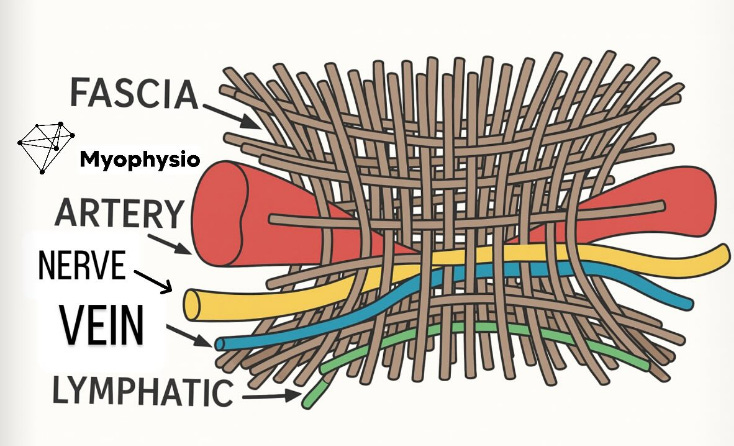
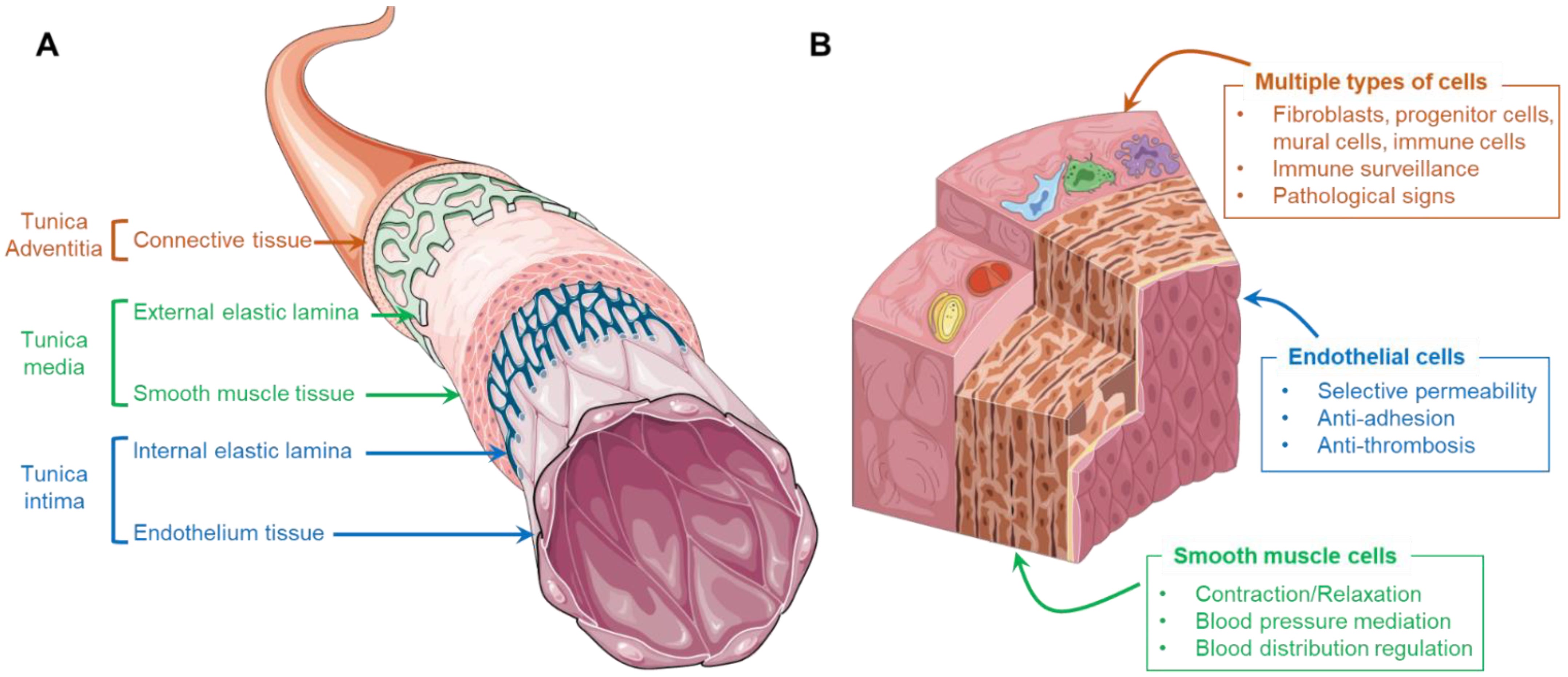
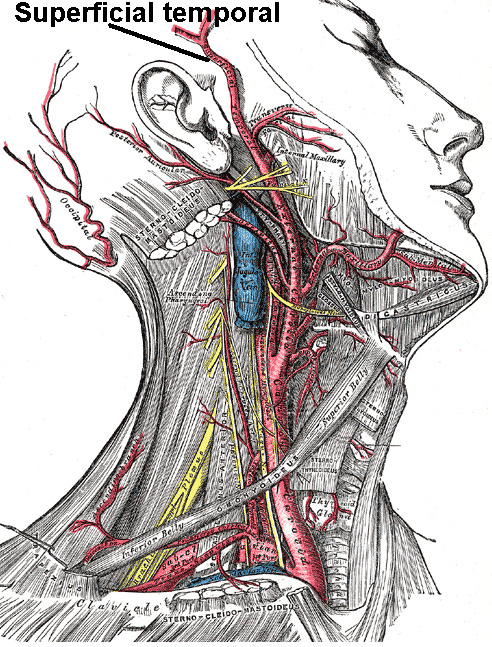
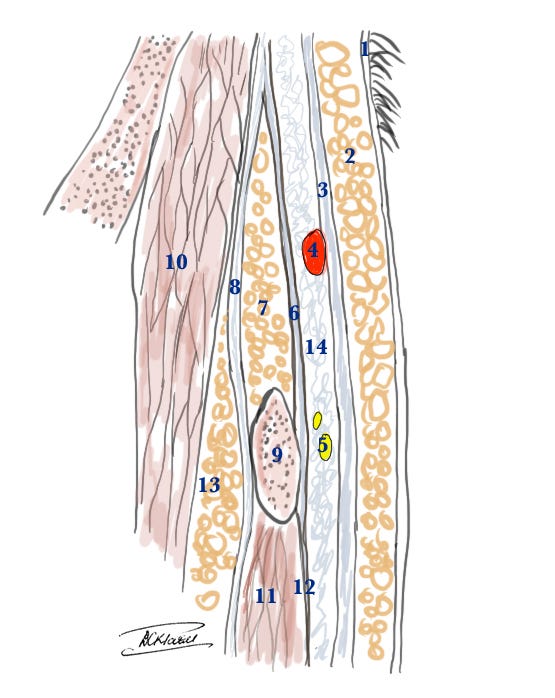
My biochemistry knowledge is insignificant so i’ll just speculate that all these contractive forces the organ-circulatory system is put under gradually impair and degrade the body’s ability to regenerate and repair its face.
But more significantly, the underlying facial structure becomes compressed and ‘collapses’ inwards.
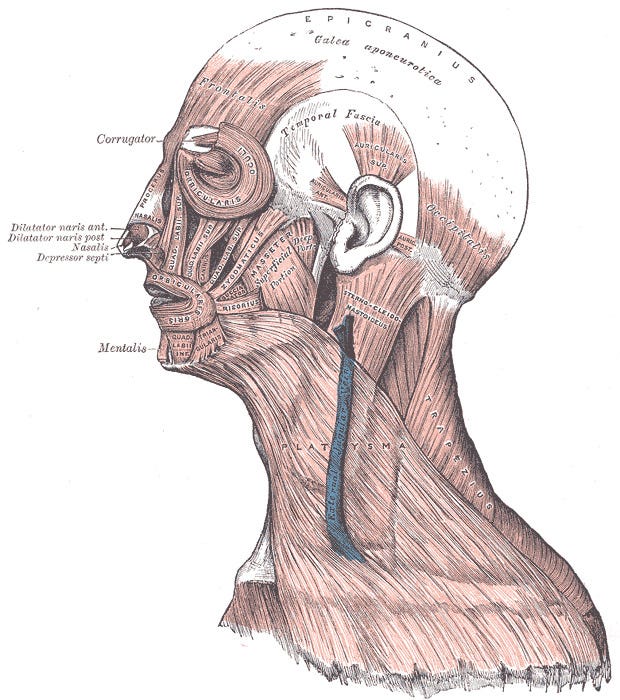
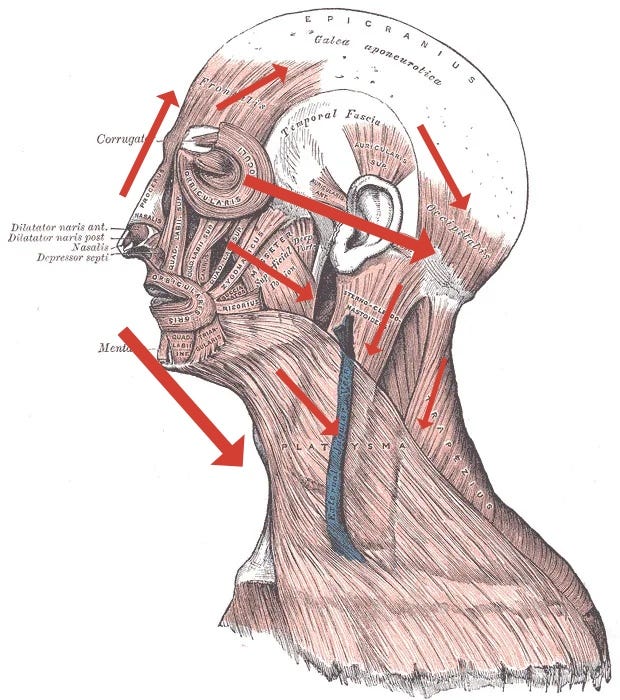
The greater the tension and its proximity to the face, the more the face is subject to the contractive forces and ‘ages’. So for instance, tension in the neck will ‘directly’ and profoundly affect the face more than tension in the butt or legs.
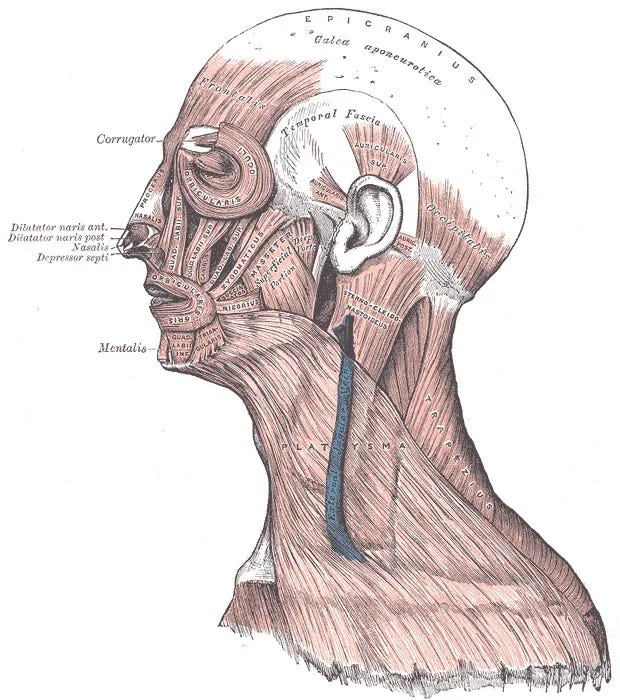
With reference to the facial muscle anatomy picture above, I have drawn arrows to indicate where I feel and observe tension lines form and transmit.
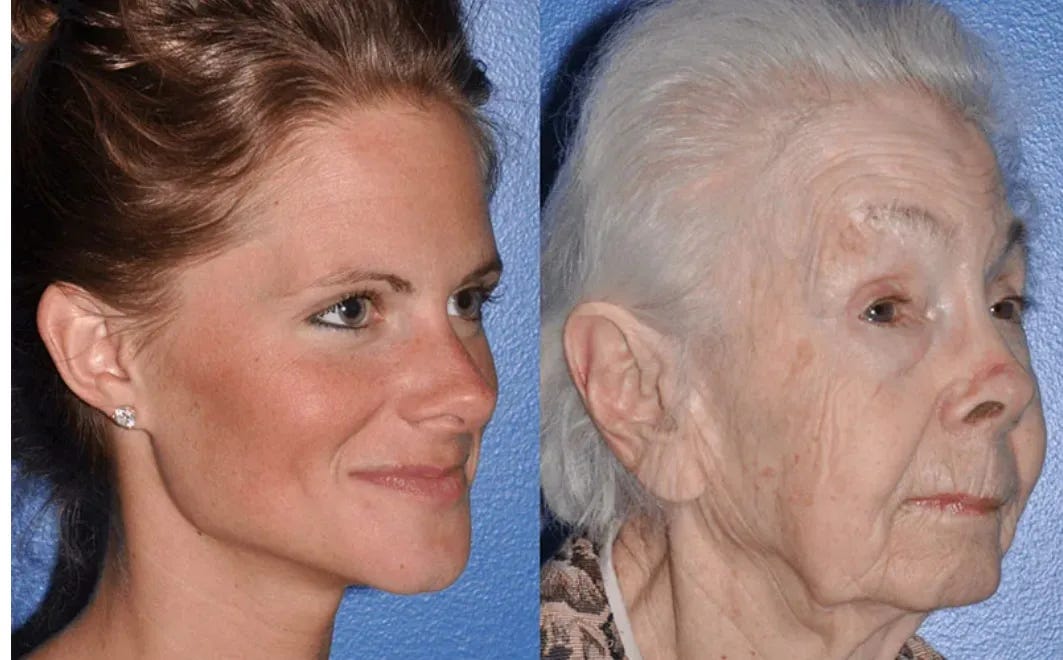
This photo illustrates the contractive ‘collapse’ process. I have drawn the tension lines that pull onto the face, as well as circled the regions where the facial structure has collapsed inwards.
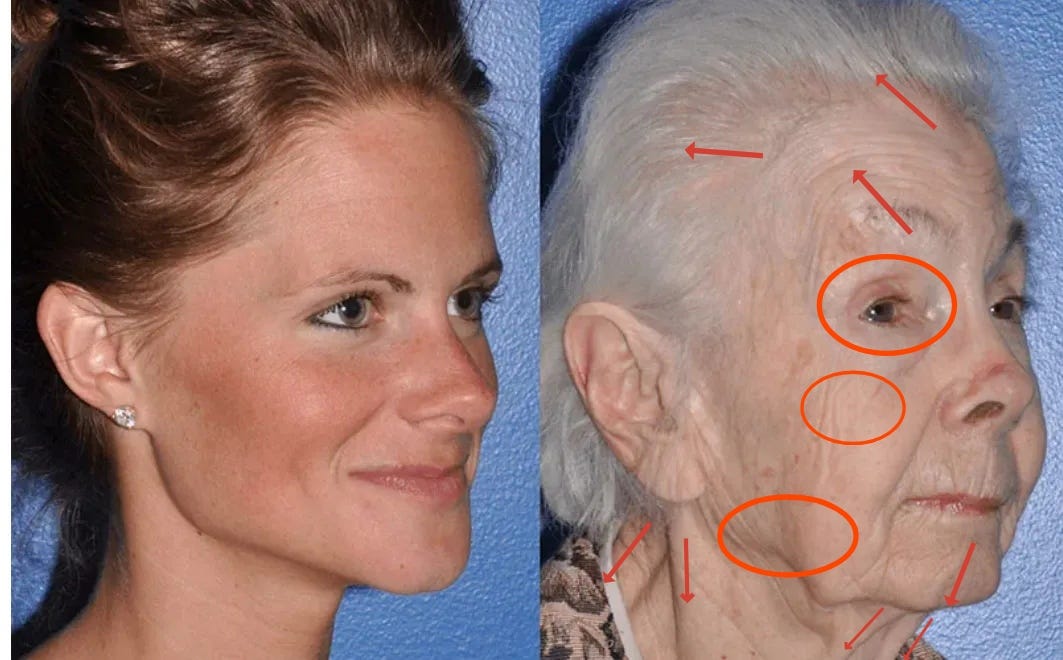
We can see how tension in the neck pulls on to the face, causing the facial structure to deform and collapse inwards and downwards on the bottom half of the face. But in the top half, the tension pulls the face upwards towards the back of the skull, causing receding forehead and a raising of the eyebrows.
The eyes have collapsed into the socket, thus appearing smaller and sunken. The once prominent cheekbones have been ‘pulled’ in. Her jawline has eroded as the jawbone has similarly deformed inwards.
Thus, we see the generally contractive quality of tension on the face. The overall facial structure shrinks and collapses inwards. Thus, the skin has less volume to spread and sit on, and ends up wrinkling or sagging. But in places where tension is present, but the facial structure has not quite collapsed, the skin and the eyebrows appear thin and stretched. If the person puts on weight or introduces fillers into their face, the face may retain its volume, but the prominent structure provided by the facial bones are absent. Instead, the face appear soft and bloated, losing its structure and definition.
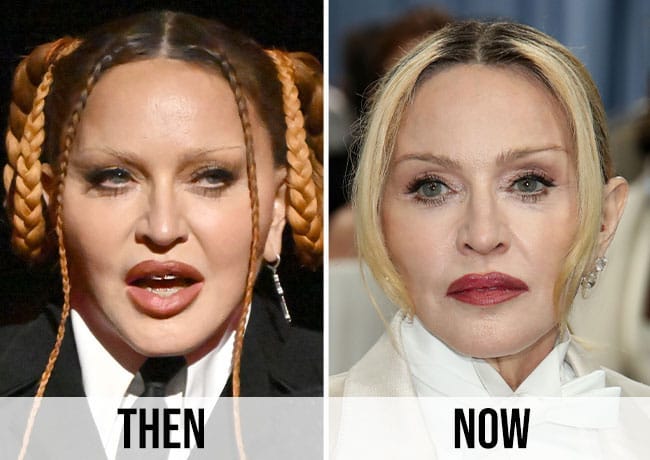
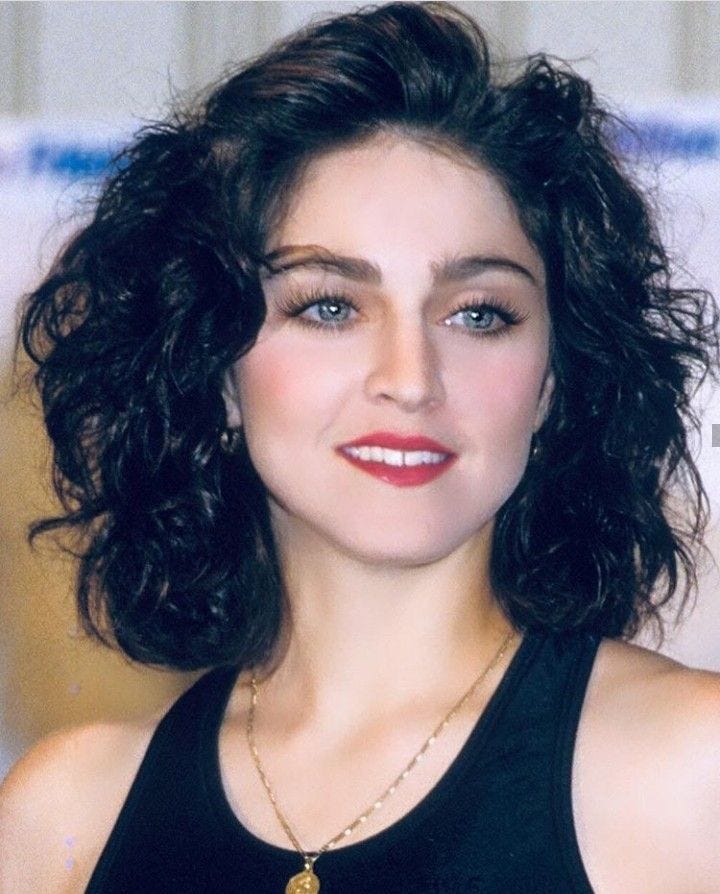
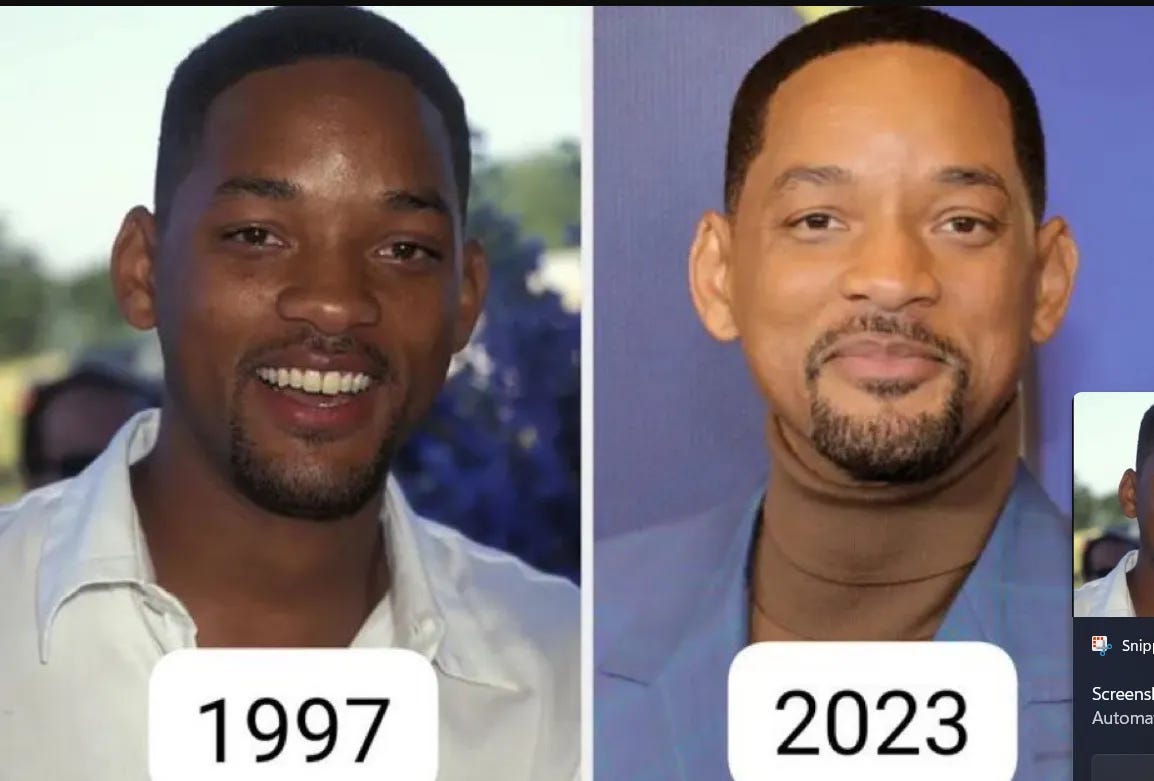
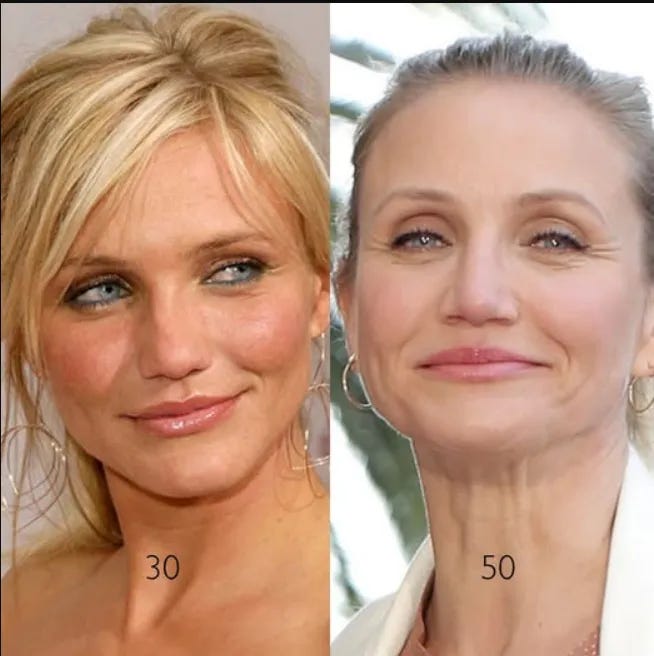
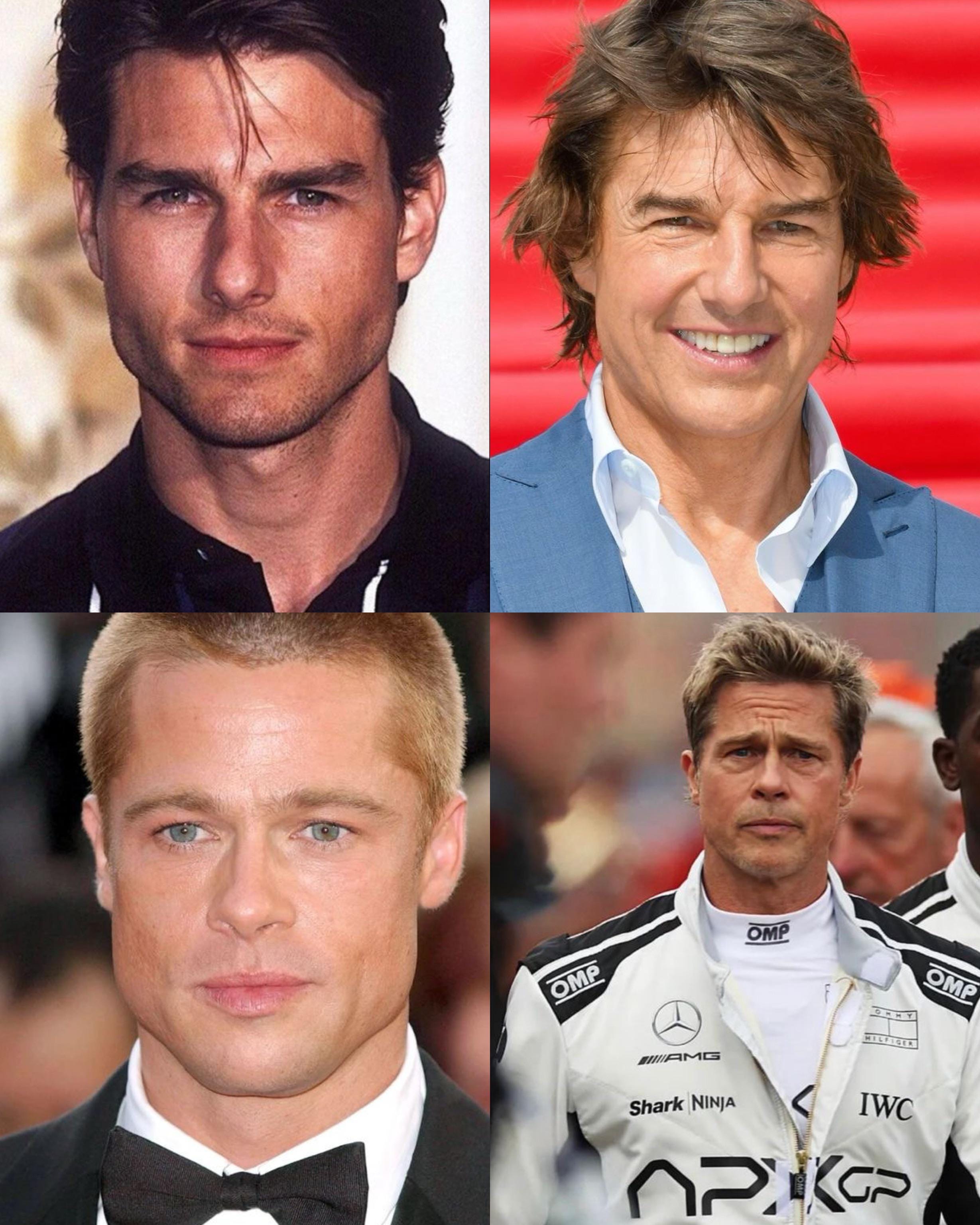
(Madonna, Will Smith, Cameron Diaz, Tom Cruise, Brad Pitt)
Lighting, angles, make-up, cosmetic interventions, etc can all change how faces look in photos. But the general aging process and patterns I described above have been incredibly consistent in my own observation.
I’ve posted Ed Thorp and Chuando as male examples of the face appearing far younger than their biological age. For women, Michelle Pfeiffer is the best Hollywood example I’ve seen so far


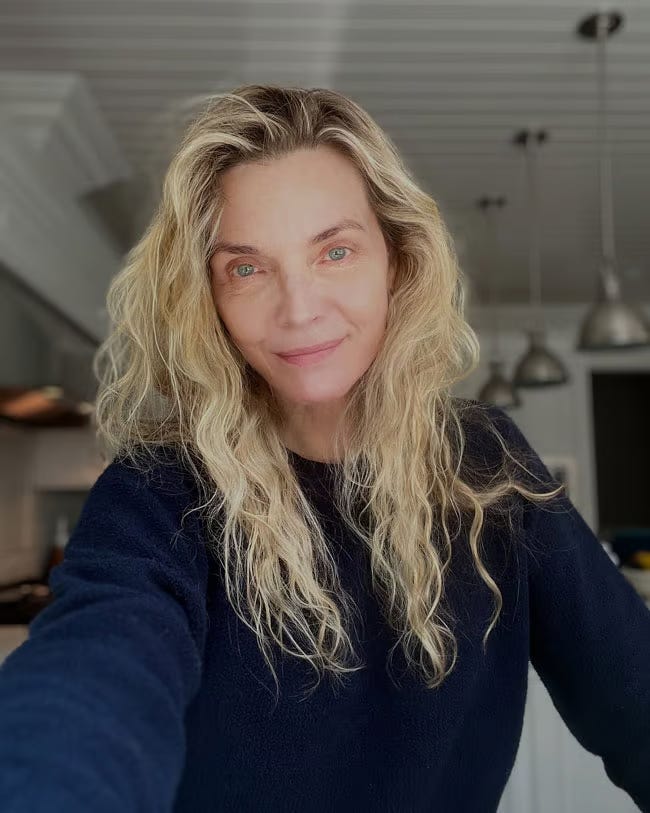
In general, Pfeiffer’s face has become sharper and more angular as she aged. However her features are slightly ‘weaker’ and less prominent than before. Her eyes have also become smaller and more sunken in.
However, Pfeiffer has in general retained a very strong and defined facial structure, much better than even many women in their 30s. If not for the signs of aging in her eyes, her facial structure is in fact indistinguishable from a woman in the 20s-30s peak.
And as expected, the tension lines in her neck are minimal, her overall demeanor is calm and relaxed.
But if you compare Pfeiffer in 1992, her eyes were significantly bigger and more prominent, which balanced the rest of her better. This gave her face a vibrancy and vigor that her older face lacks.
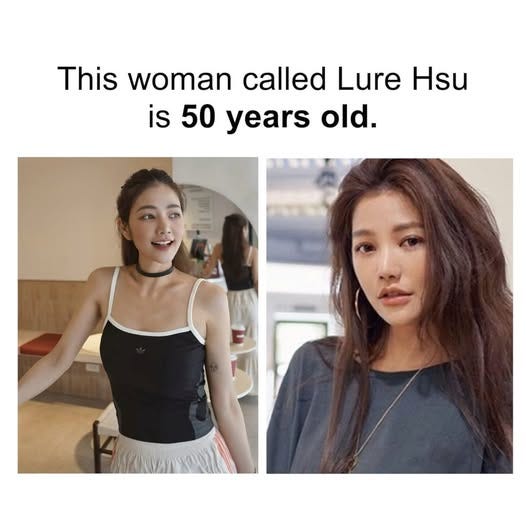
I tried to ask AI for the female equivalent of Chuando and Lure Hsu came up.
Her facial structure is very robust and prominent. As you may now have surmised, this is a key indicator of general attractiveness and vigor as it indicates the underlying foundation and structure of the body and cannot be easily replicated by fillers. And what distinguishes Hsu from Pfeiffer is her bright and youthful eyes.
And we see all the signs of ease and relaxation that we expect. Lack of neck tension, calm and relaxed demeanor, etc.
(I will discuss eyes in a separate post in the future)
Fillers can add volume, facelifts can remove wrinkly and saggy ‘excess’ skin, lasers and skin creams may remove spots and pigmentation. And there may be various surgical interventions available to add or tweak facial structure. But there just aren’t any artificial interventions (yet) possible to make the eyes (and the orbital socket) more prominent. The eyes become sunken due to tension that ‘pulls’ them into the skull, and the safest and easiest way to improve them is to tension-discharge the relevant muscles (suboccipitals).
And the reason why cosmetic interventions often (or always) fail over time is because the underlying reasons of collapse (aging) are not addressed. The tension-patterns are still in place, and whilst interventions can mitigate or alleviate some existing signs of aging, as the aging and collapse process continues, the interventions eventually lose their effectiveness.
We might have long assumed and resigned to the ‘fact’ that aging is inevitable…but could this merely be the assumption of bio-logic ignorance? The same way humans were previously ignorant of germ theory, quantum physics, electricity, computing, etc. If you don’t know what’s possible, you think its impossible.
My own experience and example
Whilst writing this post, it struck me how this was one of the times where you wonder if ‘future creates past’ is particularly applicable. In certain surreal and ‘magical’ moments, you wonder if everything that had to have happened to make this happen had to have been orchestrated.
I am able to make this connection with how tension causes the face to age….because I just happen to live it personally
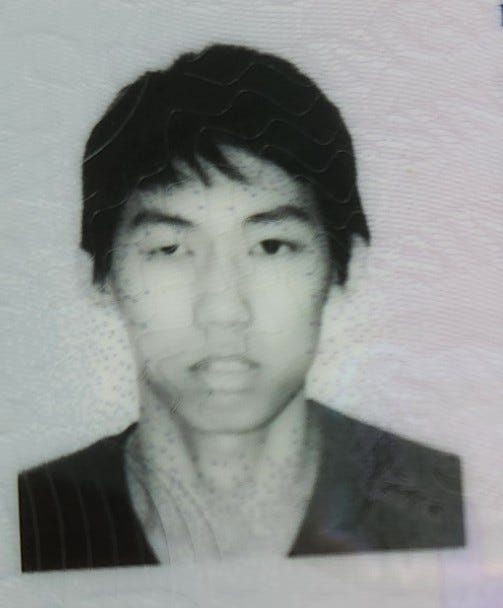
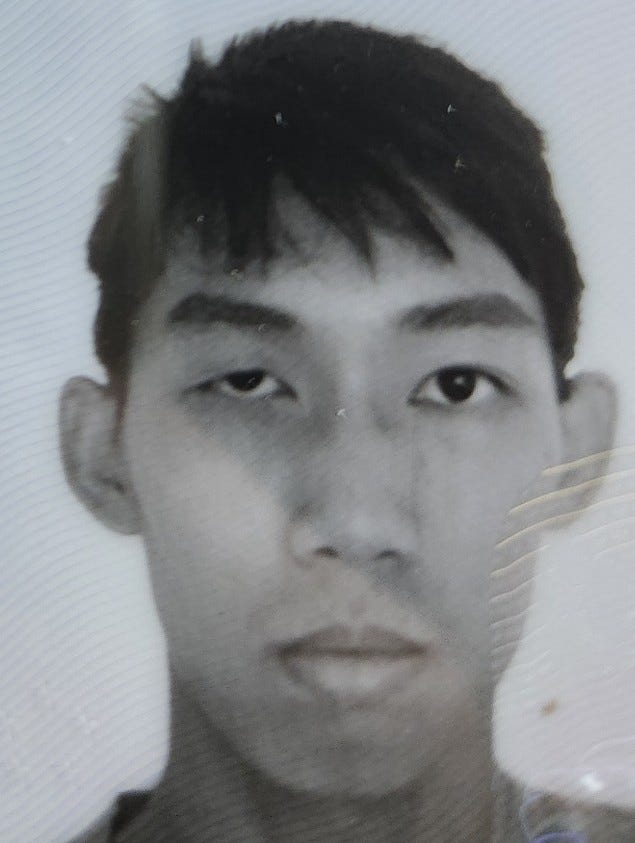
Ever since I was at least 10, if not earlier, my right eye was visibly smaller than my left, with the left eyelid drooping downward. At I grew older, I became more and more conscious of it, but didn’t think there was much I could do about it, nor did I wonder what was the cause. I gradually noticed that the right side of my eye and neck felt ‘tighter’, my neck wanted to be ‘cracked’ on the right side, and that my right side seemed shorter than my left.
Then in June 2025, I came across TRE (Trauma-release Exercise) and made the connection that all that tension on the right side of my neck was connected to my anxiety issues and the reason why my right side was so much more tense and ‘off’.
Just to be clear, photos can be deceiving due to lighting, angles, focal length, the person’s ‘condition’, and of course, selecting the best photos to show. Whilst taking my recent photos, I tried to find the best angles and photos to show, but did not do any editing beyond that.
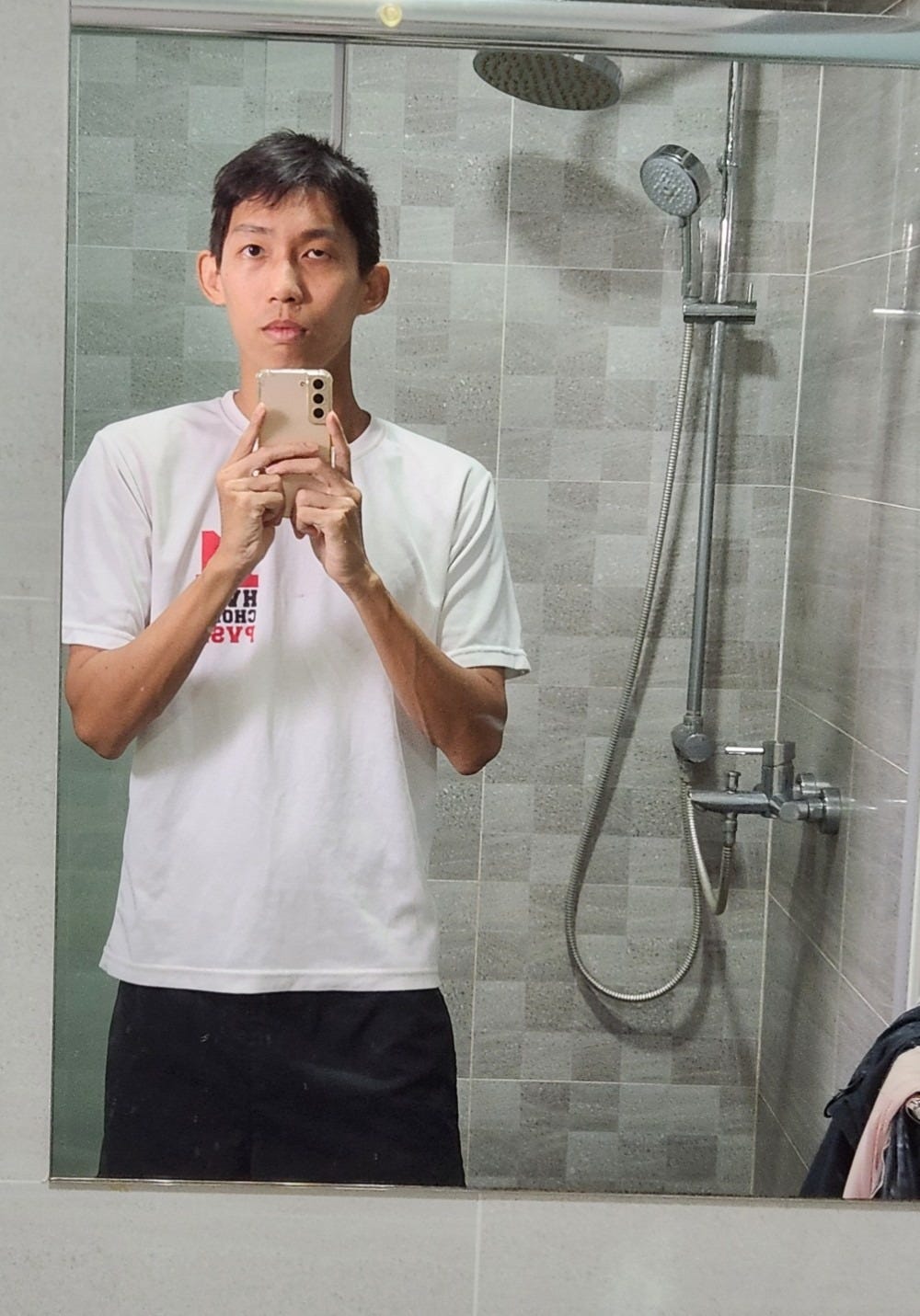
My face may look narrower in the passport photos but I think its more to do with the lighting, angles and focal length. The most visible difference is with the right eye.
Now if you split my face between the left side and the right side, its a dead-cert that my left side looks a lot brighter, radiant, youthful, attractive; and my right side looks a lot more tired, sunken, strained, unattractive. You can tell how the tension warps the right side very visibly and significantly.
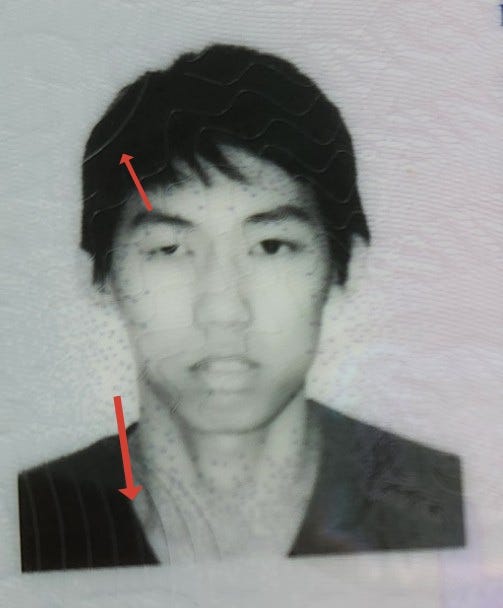
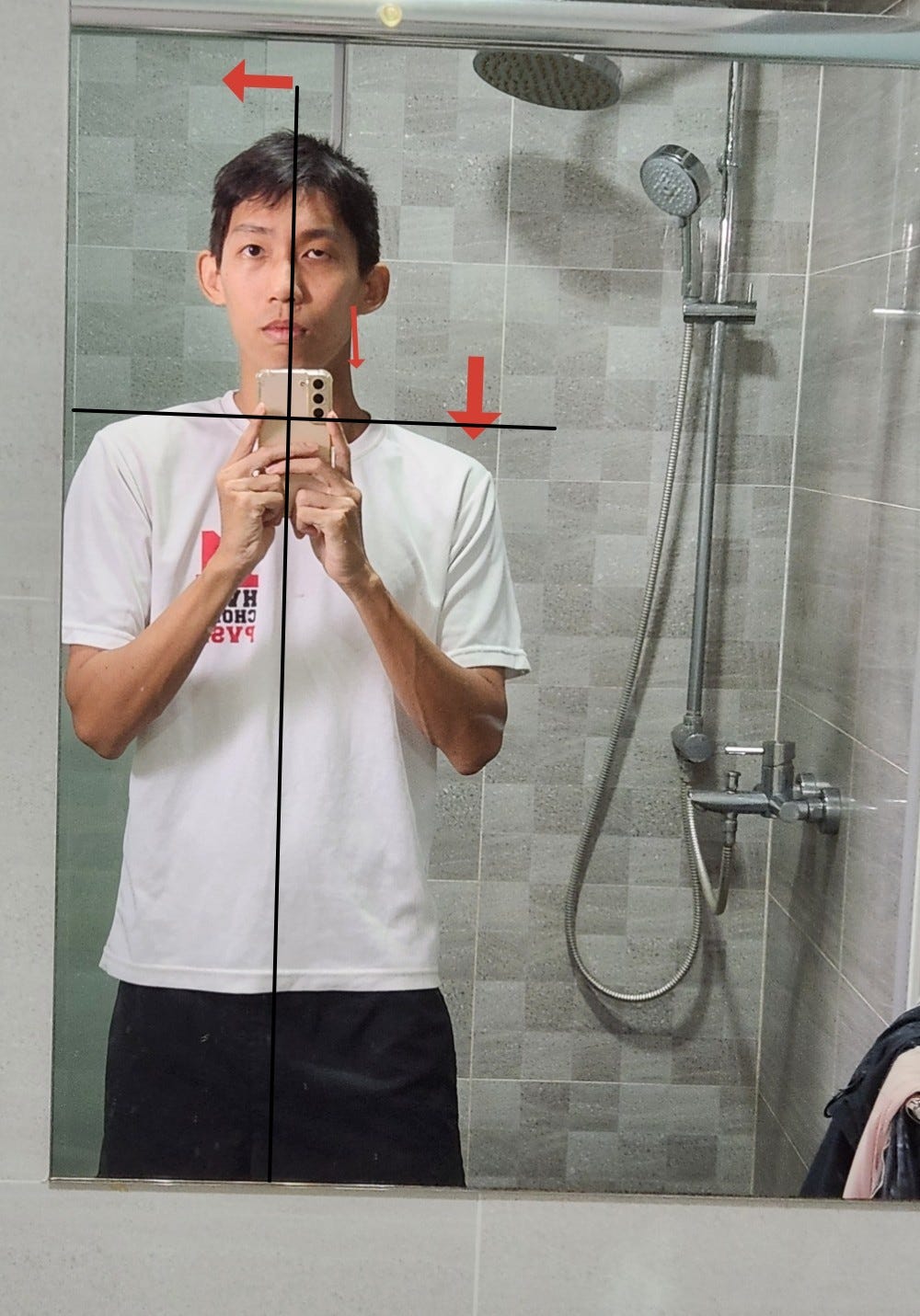
By October 2025 after 5 months of intense (a few hours almost every day) tension-release work on my right subccipitals, my right eye improved noticeably as did the tension I feel in my neck, and the anxiety I previously experienced.
If the contrast between my right and left side had not been so big, if the improvement in my right eye/ tension/ anxiety had not been so stark, I might not have made the ‘connection’ between aging and tension so clearly and quickly. One even wonders if Reality had made itself ‘go through’ a specific past so that it could conceive and create this current present.
Chuando and Lure Hsu, although they might be exemplars of not-aging, probably did not have similar experiences with contrasting tensions as I did. Its because I had both a very relaxed left, AND, a very tense right side that gave me the experiential dots to draw the connections. For them, they simply noticed that they did not experience aging, and had no contrasting experience to figure out why.
And from my observation, tension in the neck seems to play a very significant role. Part of this is likely because the neck is often visible and has a lot of ‘soft’ and ‘loose’ tissue that creates very noticeable tension lines when they start bunching up due to tension. But primarily, it is simply because being big pieces of muscle in close proximity to the face, tensions in the neck will radiate and pull on the face much more directly and immediately than elsewhere in the body.
For my right eye, the tension line I feel that ‘pulls’ it into the socket goes through the back of my eyes, through the skull, towards the back of the neck at the suboccipitals.
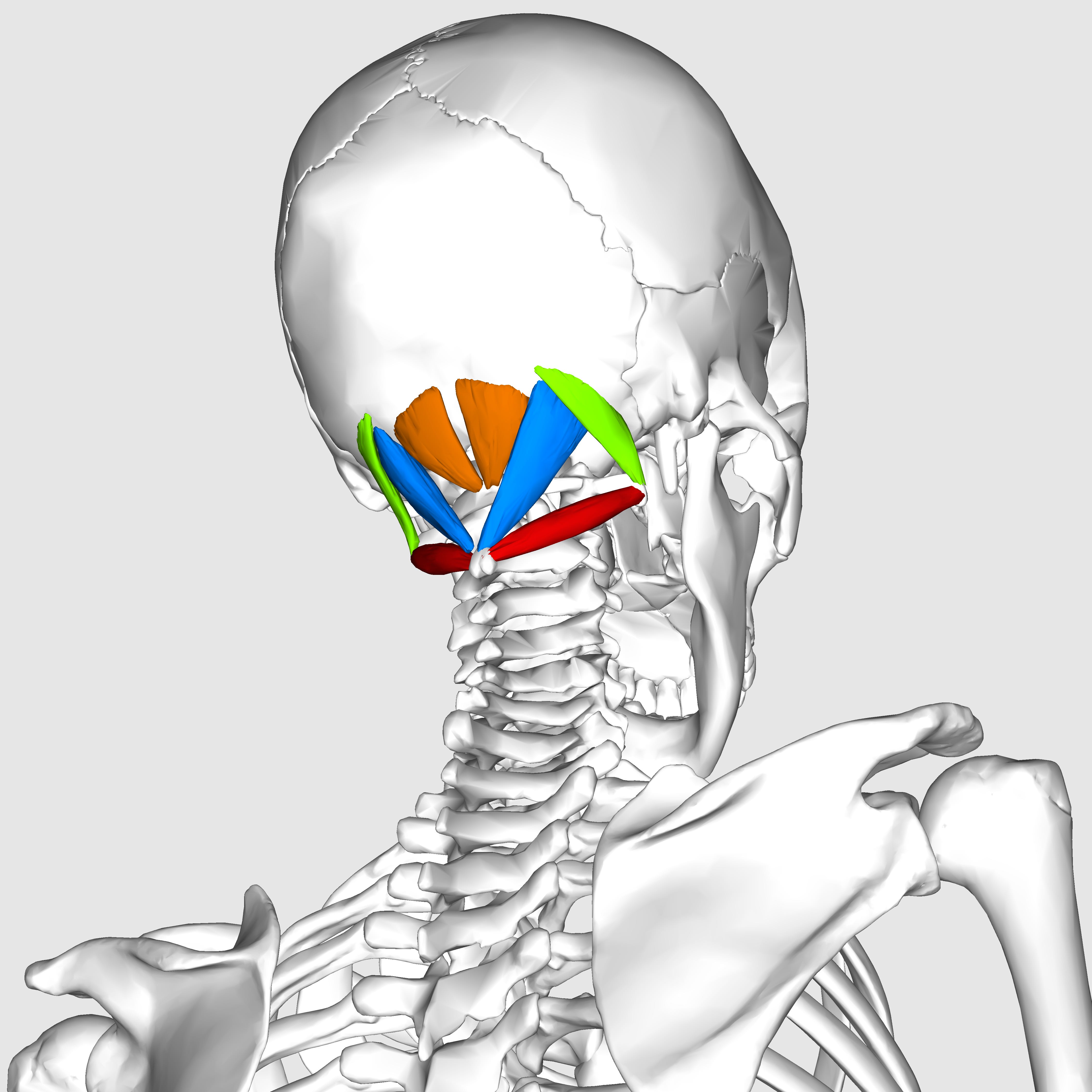
But I think other parts of the face like the jaw and cheekbone are probably more affected by the lower parts of the neck. Its near-impossible for me to get a camera angle of the suboccipitals, and even if I did, I don’t think its easy to ‘see’ the tension there as the muscles are smaller and there is less ‘loose’ skin. But the front of the neck is where one can easily observe tension-lines.
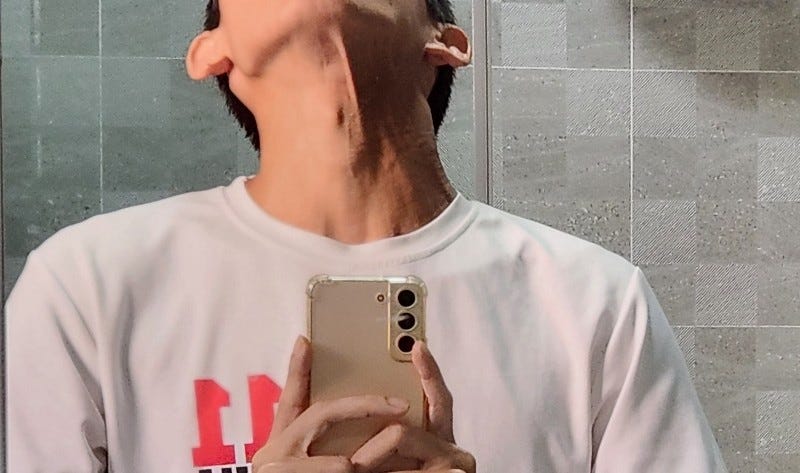
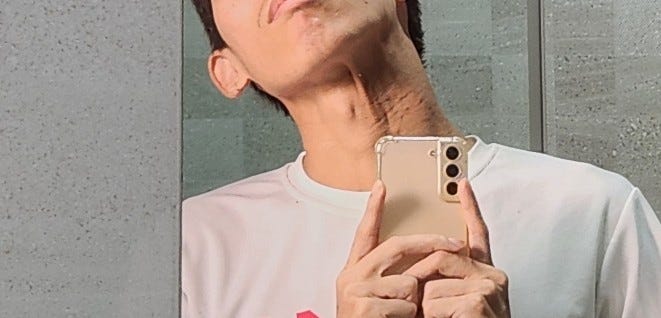
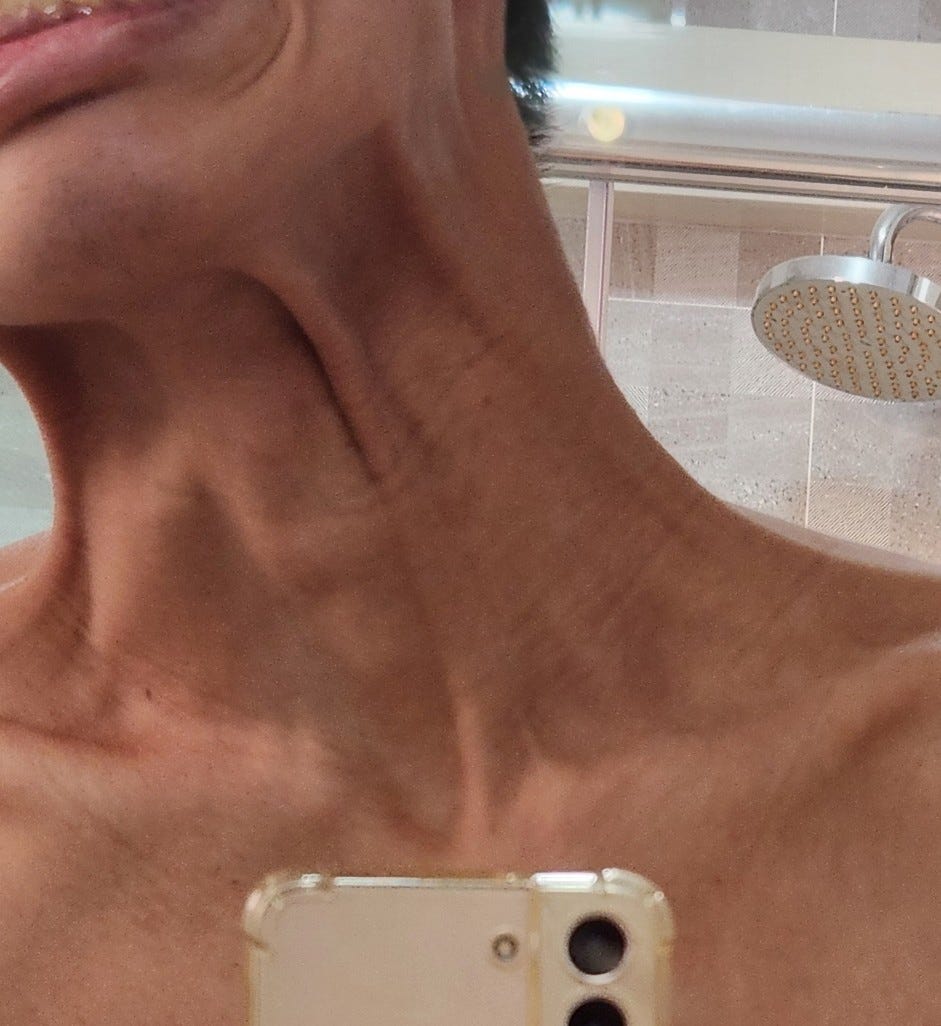
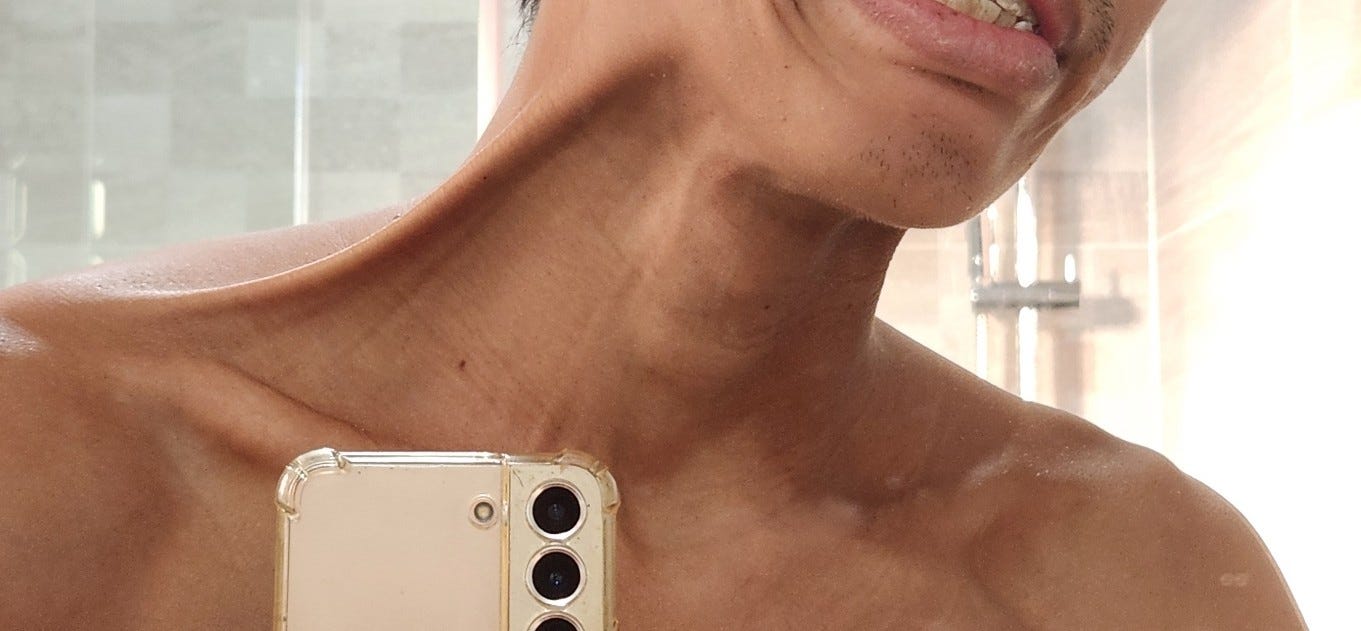
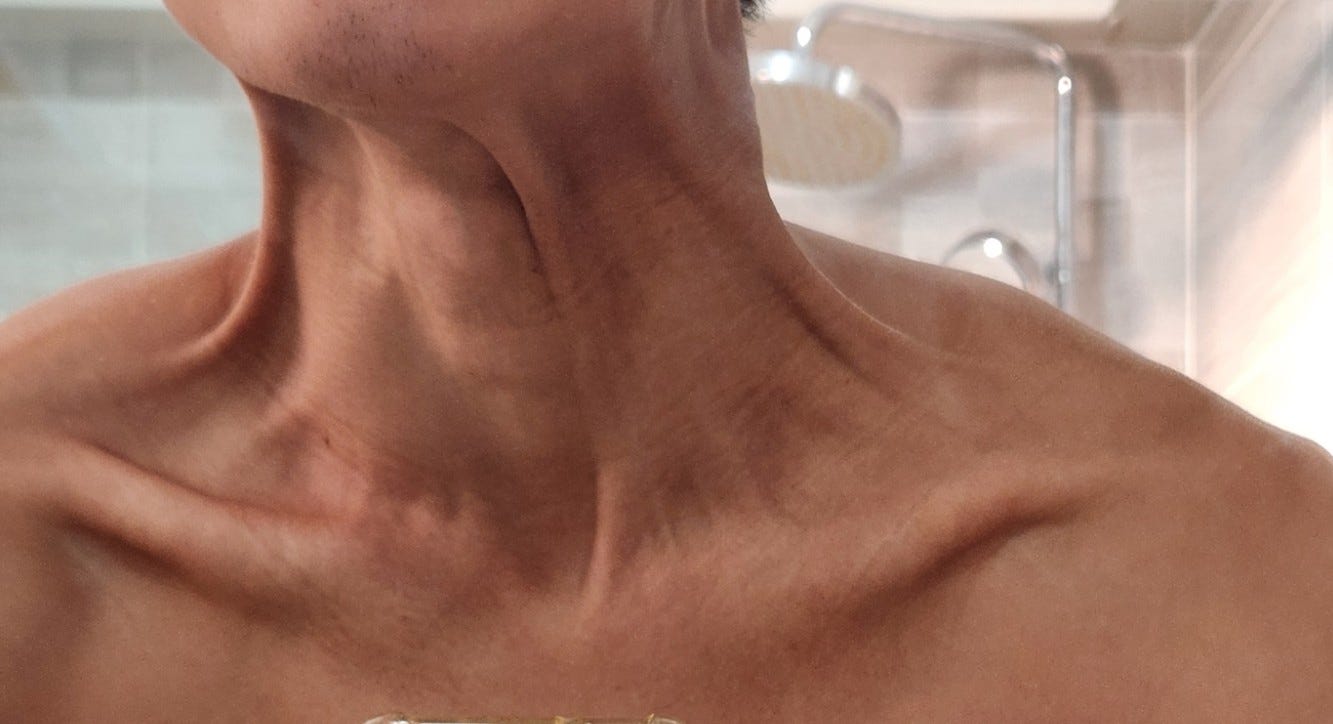
We can see how much more visible tension there is on my right side/neck compared to the left. The tension is thicker, broader, denser, more bunched up. You can go to the mirror and observe for yourselves your own tension-lines. Observe how the lines usually only come into contrast when the neck is stretched. Perhaps the tension has accumulated so gradually that it ‘feels’ normal because you’re so used to it. But visually, you can most likely ‘see’ the difference. They affect your neck’s range of mobility, and a stiff neck is almost always due to these tensions.

As these tensions accumulate, they continuously exert a pulling force onto the facial structure. Thus, the face begins to collapse inwards, losing surface volume, definition and structure, and the skin that previously clung onto the structure starts sagging and drooping.
Now here are two shorts of a worldly teacher Robert Greene, and a spiritual teacher Eckhart Tolle. The content doesn’t matter, but simply observe their faces, the tension spots and lines, how their voice sounds, and the general cadence of their speech and movements
At this point, you may be wondering…wow…I AM A GENIUS…

Before I start a brief description of how to reverse aging (!!!), I’ll post two more photos I took on 05112025
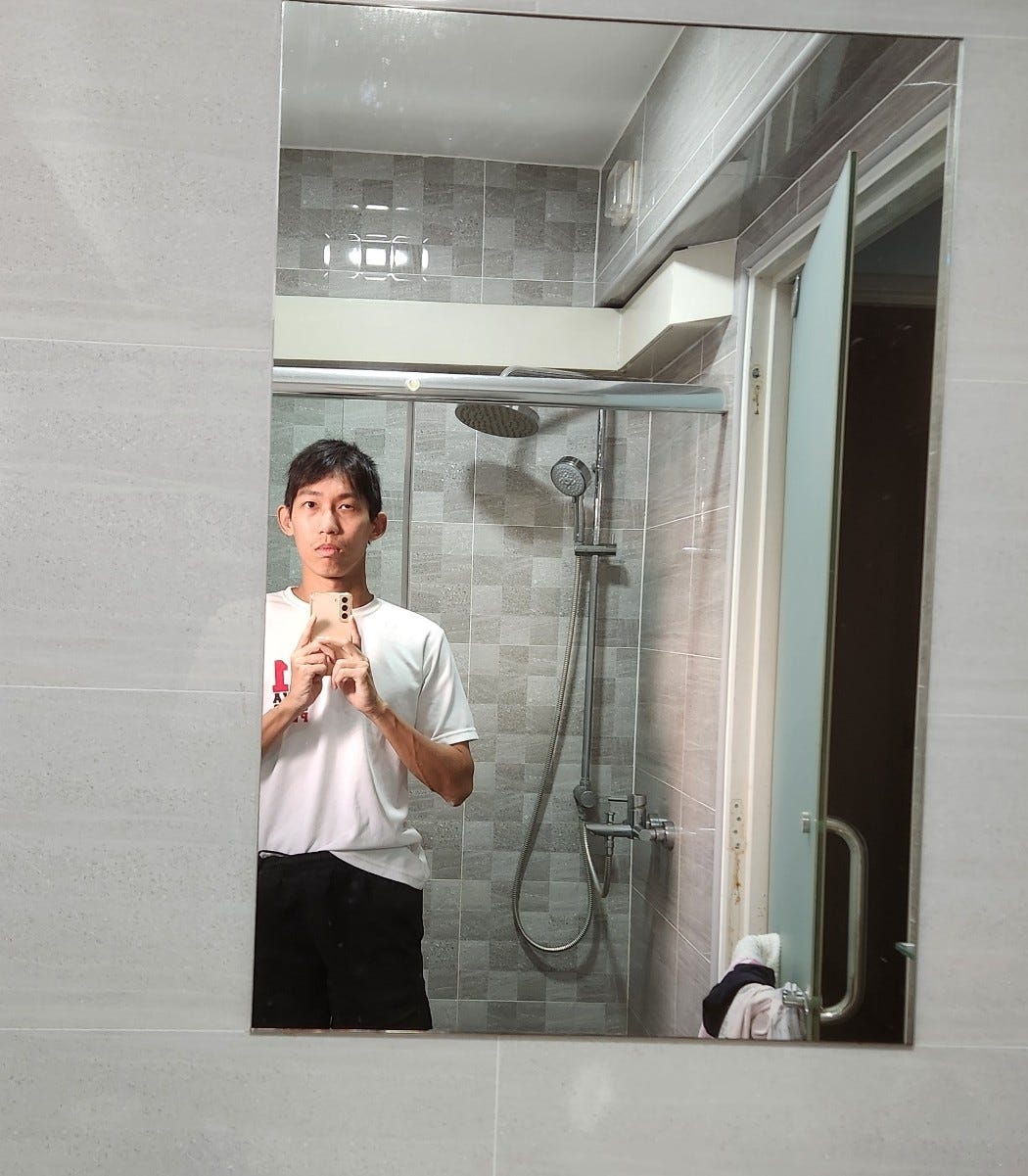
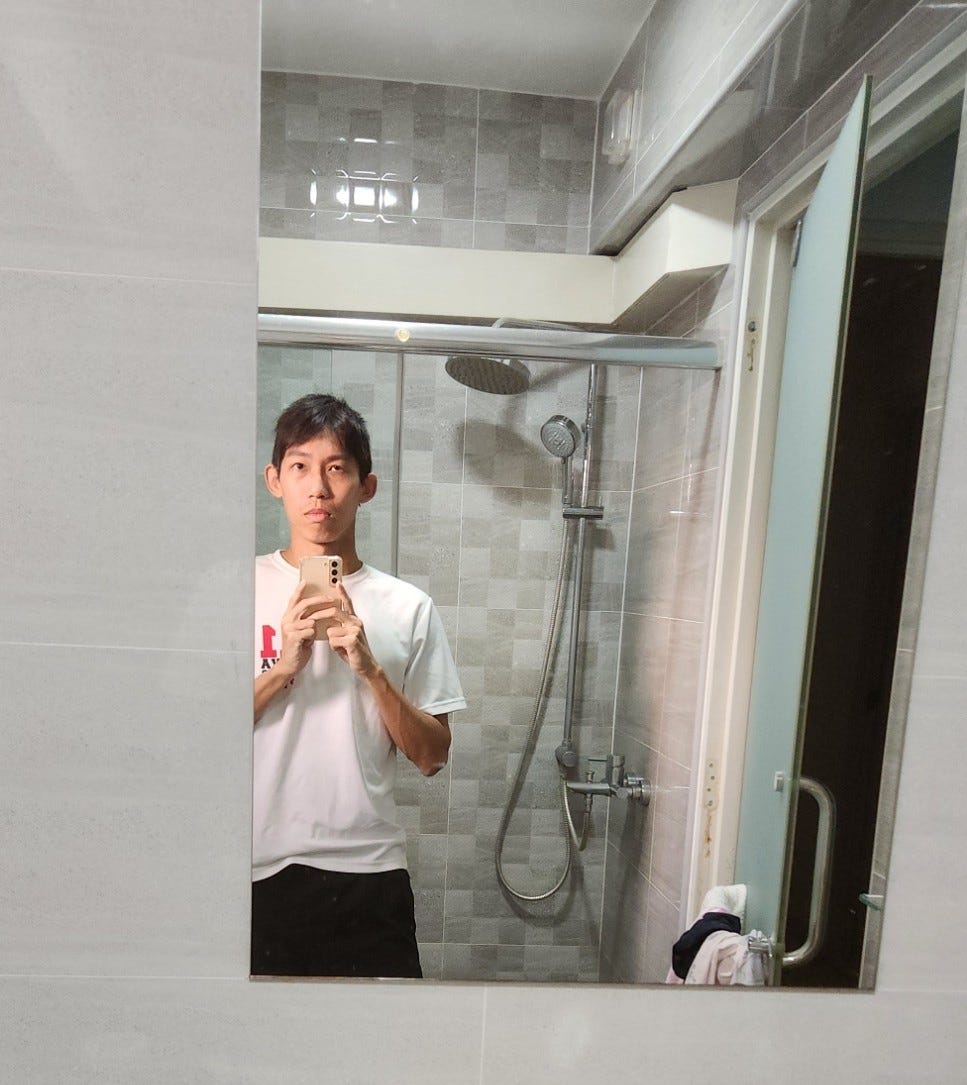
I’ve made so much progress that I think most people would not consciously register any asymmetry between my right/ left side without looking for it. Unconsciously, they will certainly notice and pick up on it. I actually noticed a significant improvement in the last two weeks because some ‘critical mass’ of work had been done and tension suddenly released.
And yes, this is a ‘selected’ photo out of the few that I took after figuring out ideal angles, lighting, camera lens etc. But there was no editing after the photo was taken. And I think I look in my 20s in these two photos even though I am 34.
How to ‘reverse’ face-aging !!!
If you’ve read my previous posts on the tension-charge model and its overall-place in the body, you’ll know that my basic theory is that tension in the body impairs its overall functioning, and the accumulated tension and impairment causes the biological damage we usually attribute to aging.
So whilst my general model is for people to follow and allow their body’s natural tension-discharge function, I do think there is specific and customised ‘work’ one can do to ‘target’ their face. Of course, I don’t think you can have a healthy and attractive face without a healthy body, but I actually think the practices I am going to recommend will significantly help both.
So in terms of bio-chemistry of the skin - collagen, age spots, scars, pimples, blemishes, etc, I assume they have to do with the overall functioning of the organ-circulatory system. You can’t really ‘target’ the face specifically where bio-chemistry is involved with my tension-charge model.
However, you can ‘target’ the tensions ‘specific’ to the face and reverse the collapse of the facial structure.
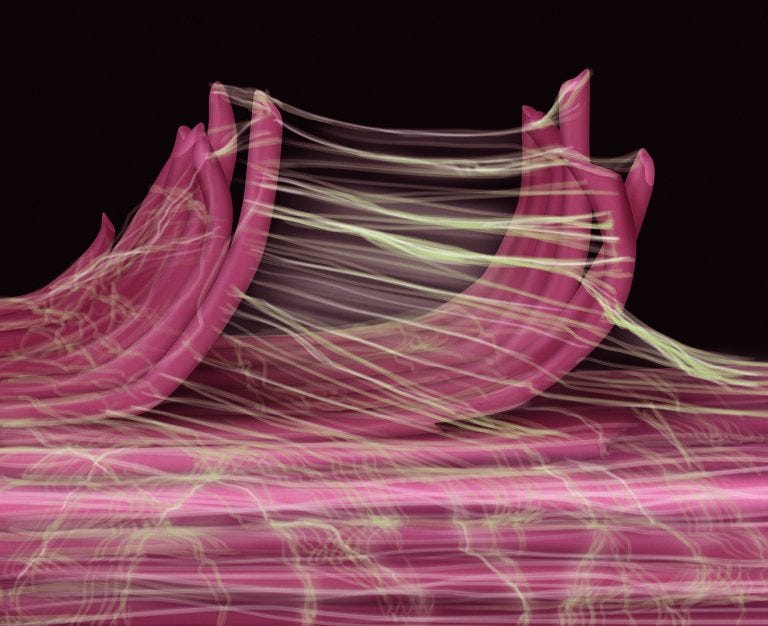
“However, if adhesions buildup excessively, they may bind together the two opposing surfaces of a soft tissue interface, which should slide along one another when movement is needed, resulting in restricted mobility. In a client with an active lifestyle, these fibers do not get the chance to buildup because as the client’s body moves, adhesions that have formed are broken up and resorbed. However, a sedentary lifestyle encourages adhesions to buildup progressively until mobility is greatly restricted. Although adhesions do not actually cause an increase in the baseline resting tone contraction level of a muscle, they do add to the muscle’s tightness by decreasing the muscles’ ability to stretch and lengthen. If a muscle cannot lengthen, then it cannot allow movements of the body performed by the antagonists to that muscle.”
https://learnmuscles.com/blog/2017/08/09/fascial-adhesions-neck-introduction-common-musculoskeletal-conditions-neck/
So the theory of face-aging is that chronic tension in the body creates tensile forces that pull onto the facial structure, causing it to gradually collapse/ contract inwards. The facial features deform and ‘sink’ , and the excess leftover skin sags and wrinkles. This chronic tension is due to tension in the muscles that are not discharged, and as they accumulate over time, fascial adhesions start to form and build-up, causing increasing tension and tightness.
So what we want to do is to directly discharge this tension and break up these adhesions by applying manual pressure on them.
Slight digression
Even though the right side of my face looks a lot more tense and sunken, I don’t think it looks ‘older’, mostly because there is no sagging or wrinkly skin or other aging indicators. The reason is because I ‘grew up’ with this collapsed structure on my right since I was young. Thus, there was no ‘excess’ skin that developed that would eventually ‘sag’ or ‘wrinkle’ if the collapse had been later and gradual. Also, I’m only 34, so the expected tension and time-accumulation required for ‘aging’ to usually take place has not even taken place by conventional standards.
Also, this tension-charge model described is something I only developed in the last 5 months since I discovered the tension=trauma principle in June 2025. My observations and recommendations are strictly based on my personal experience and ideas. The main inspiration for the anti-aging potential of the tension-charge model actually first came when I read Ken at Reviv’s anti-aging ideas

Ken has a slightly different biomechanical approach focusing more on the ‘skeletal’ structure, whilst my focus is primarily on the fascia-muscular system (tension-charge). Ken has also explored and observed his own model for 10-20+ years and is quite confident in its anti-aging potential as he has personally experienced it ‘twice’ in his life.
For myself, I haven’t experienced any noticeable physical signs of aging to ‘reverse’ up till this point. But I did experience increases in general energy and vitality ever since the tension-discharge practice. And of course, the very significant improvement of my right eye and general improvements in physical balance when playing football.
So this is a pioneering model and practice. And it also means what was thought could not be done, can in fact, be done, it just has not yet been done.
General principles
I am going to outline a few general ideas and principles on what I think is helpful. The rest is up to the reader-user to adapt for their own needs.
Focus and pay attention to your face and neck
Study and pay close attention to your face and neck. Get a feel of where the main tensions and tightness are, how they affect your facial structure, which parts of the face and especially neck feel the most ‘tense’ or problematic. Use your hands to explore, pinch, prod, feel, massage, go over your face and neck to see how they are affected by tension, tightness and adhesions.
For most people, I suspect most of the work should be focused on the neck. Once the neck muscles are mostly relaxed (which may take anywhere from a few months to a few years), I suspect the facial structure will be much better, and many issues will greatly resolve.
For myself, my area of attention was my right eye and right-suboccipitals. Yes, there are tension-spots elsewhere as well, but the main problem/ focus for me was the right eye/ suboccipitals. Everyone will have their own unique tension-patterns to work on that they need to first figure out by paying attention.
2. Stretching and pressure
I was trying to look for a good youtube video to illustrate and stumbled on this short. I looked around and many of her ideas and concepts fits into my model.
So i’m just going to use her shorts to illustrate the type of movements that might be typical.
And this guy seems pretty good too
Basically, you can notice all of Valeriia’s movements are a mix of stretching and pressure on whatever feels tight and tense. I have no idea on lymphatic nodes, but in general, manually apply pressure and stretch whichever parts of your face-neck feels the most ‘in need’. Everyone will have certain parts and movements that just feels ‘right’ for them that they should just focus on.
I could feel tension and adhesions elsewhere on my left neck, but my body simply told me the right-side overwhelmingly needed much more work so I followed its guidance.
Persist and experiment
Initially, your body awareness will be lower and you won’t quite know what movements and spots to focus on. I have avoided giving any specific practice or movement because our tension-patterns are unique, and its far better for people to figure out what is best for themselves by listening to their body’s feedback. Just keep experimenting and trying out different movements until you figure out what ‘feels’ the best and most appropriate.
Initially, my movements were mostly general neck stretching with minimal usage of my hands. I tried various ways and postures to apply pressure to my neck, like hanging my head off the bed, putting my right hand behind my back whilst stretching it, etc. Eventually, I noticed there were tensions deep-centre of the neck that just couldn’t be ‘accessed’ by simply neck-stretching alone. Instead, I had to use my hands to get in to apply pressure in specific ways and spots that ‘felt’ the best. And as the tensions became looser and looser, my hands were able to grip deeper and firmer into the neck tissue and perform even more precise and ‘deep’ pressure.
Initially, the tensions might be so thick and dense that you can only 'scratch’ and access the ‘surface’ layer of tensions. But keep persisting and doing it as much as possible. Your neck and face and hands are always with you, so you can consistently do this tension-discharge practice often throughout the day. Obviously, spending time isolated and fully focused will yield better results, but every bit helps.
Pressure and Release
Ultimately, the tension-discharge process for the neck and face is a matter of applying pressure to release the tensions/ break up adhesions. Your own’s body feedback will tell you what movements are the best, but you can use any other tools to assist you. If using a massage gun, or telling a massage therapist what movements you want them to help you perform especially in very tense, dense areas where its difficult to self-apply pressure, is helpful, then do whatever works for you.
When I watch the youtube videos of face-neck massage/ yoga, the main issue I see is that the movement seem gentle and ‘light’. In my experience, you need quite a significant amount of pressure for the tension-adhesions to yield,
Most of the work will be gradual, repetitive movements to consistently apply pressure in order to break down/ loosen the tensions. Males have more strength to self-apply pressure but will probably have denser tensions to work through.
Spontaneous movements
If you really pay attention, trust, and allow the body to tension-discharge itself, it will very likely make spontaneous movements to stretch and release itself.
Focus
There are many generic exercises and advice that may work or be helpful…but they are often too generic to be really helpful. What we want to do is to figure out the most pressing ‘tensions’, the most effective movements, and then just laser-focusing on doing what our body needs. Rather than spending one hour on 20 different exercises, just spend all that time on that one or two movements or areas that your body wants you to do.
Myself, my right neck and the right sub-occipital felt the tightest and most in ‘need’. So I just focused 99% of my efforts there. Tension-adhesions accumulate in layers over time, one after the other, and there is a certain logic and optimal sequence of release that you can only know by listening closely to where your body wants to move first. If I looked into the mirror, I would not be able to ‘see’ that my right-suboccipitals were the most in need of ‘release’. I might have thought that my right eye needed ‘work’ the most, yet the key to release was not to massage near my right eye, but rather my right sub-occipitals.
Which is why its so important to practice body awareness and figure out what movements your body wants to make, what tensions it wants to most immediately discharge and focus on first.
A relaxed attitude
The reason tension accumulates in the first place is usually due to trauma and a ‘stressed’ attitude towards life. Sometimes, ‘mechanical’ accidents like a fall or car accident can also cause these tensions. So examining and observing your day to day experience and attitude, catching yourself ‘stressing’ and ‘tensing’ up…and then relaxing and letting go will go a long way towards minimising tension-accumulation. This mental ‘adjustment’ and letting go may not be sufficient to release chronic and deep tensions (that we need to use physical pressure to push out), but it can minimise day-to-day accumulation so that the actual physical work can effectively clear out tensions without ‘backtracking’.
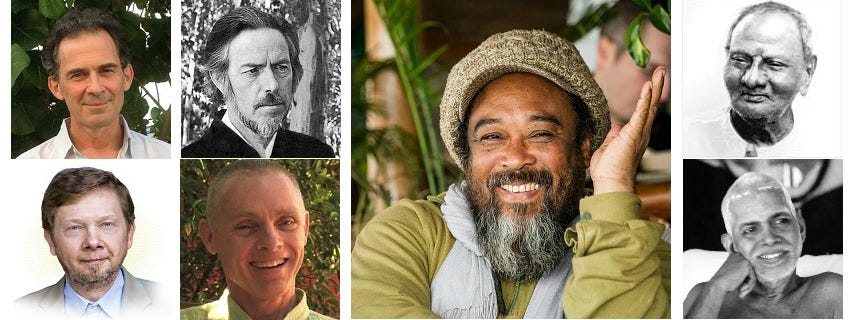
If you google and examine the faces of spiritual teachers, you will notice that they generally look younger than their peers, because spirituality naturally helps discharge or minimise tension-accumulation. However, this doesn’t mean the teachers have discharged all the tensions in their body.
In my experience, ‘mental’ adjustments are just not very effective at discharging ‘deeper’ tensions, which is why psychotherapy and spiritual teachings often seem to plateau after initial ‘improvements’ (initially, the looser, more superficial tensions can be removed). My guess is that a lot of these teachers still carry tensions in their body that they don’t know or don’t care to discharge - their approach is to just ‘accept’ or ‘surrender’ to the tensions when they arise.
And in fact, the more I explore this topic, the more I am beginning to believe that you can really ‘tell’ a teacher’s level of spiritual-realisation by looking at their faces.
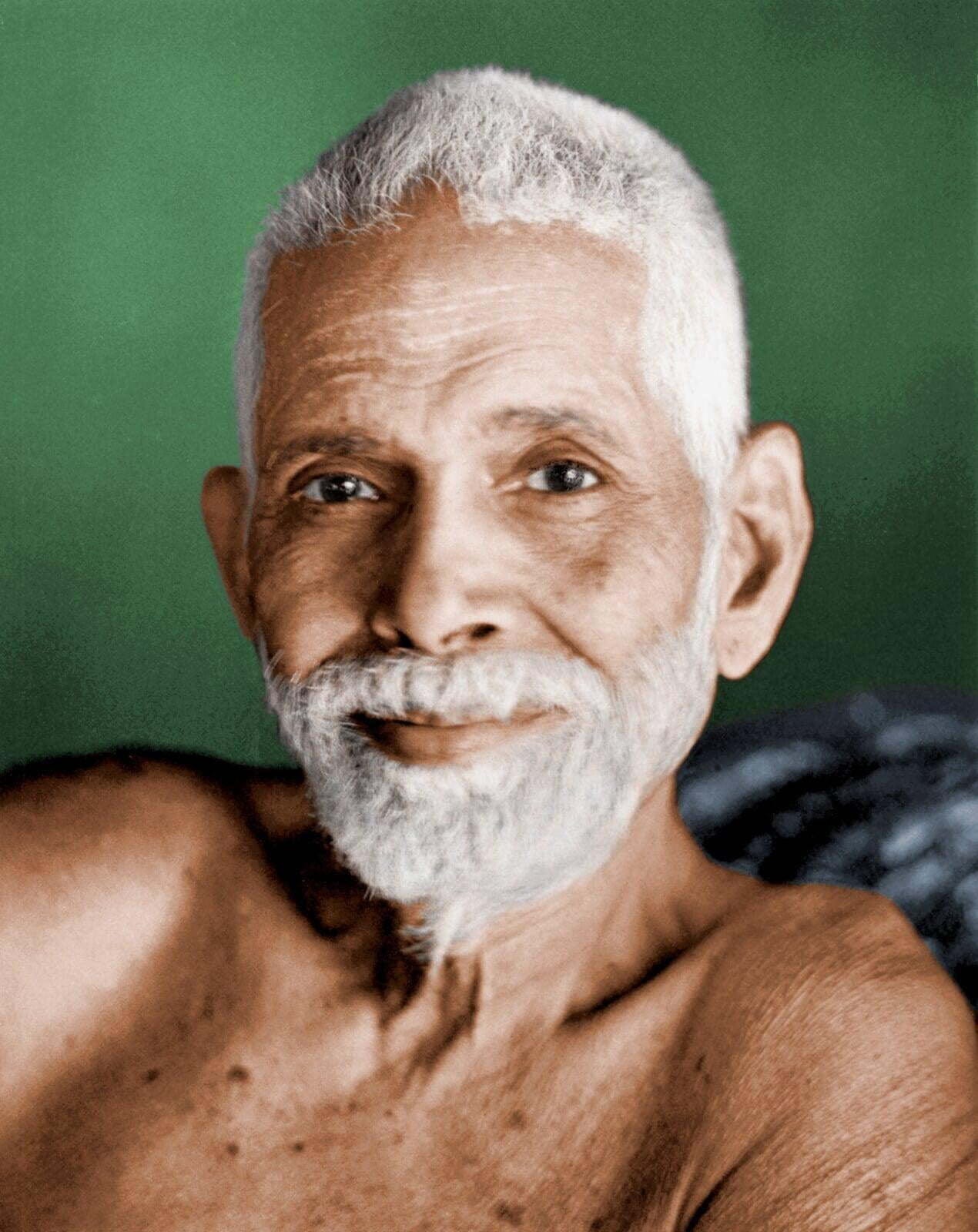
(The two indian men on the right are the most advanced teachers. The one on the bottom right is Ramana Maharshi)
As tensions are released from the neck and face, my prediction is that you will feel happier, lighter, more at ease. Tension is unhappiness, and any tension you remove from your neck or face will lead to greater relaxation and ease. As you experience improvements in your face, you will naturally feel more confident, attractive and optimistic. Which will then lead to overall improvement in health and function.
I actually cannot emphasize enough how I believe that as one releases significant tensions in their neck and face, they will almost certainly experience improvements in well-being. Because I’ve observed this very clearly and starkly in my own experience, where after 5 months of consistent tension-discharge practice, my general mood and emotions (anxiety, irritation, boredom - general ‘unease’) have very noticeably improved…much more quickly than 15+ years of spiritual practice!!!
Will this really work?
Well, I only have my own experience and theories as ‘evidence’. But I think my eye improvement is way more difficult to figure out and achieve. My right eye condition is a 20+ year old chronic condition that I managed to figure out how to ‘fix’ and make significant progress on in 5 months. Okay, these 5 months, I have spent hours of sustained ‘work’ almost everyday, so its not an easy magical fix. But it IS a laser-focused direct true solution to an issue that I don’t think the top medical and eye experts have figured out how to solve.
Besides my right eye, my general energy and mood has significantly improved. There are still other issues and conditions that I looking forward to improving or fixing in the future. Like my myopia and remaining traumas. But so far, so amazing.
(Tension-discharge takes 5 years off this guy’s face in 10 seconds.)
What I think happens with my right eye is that the suboccipital tensions exert a pull onto the back of the eye, causing it to ‘sink’ into the socket. So as I massaged and released tension in my right-suboccipitals, the ‘pull’ gradually relaxes and the eye protrudes more and more outwards.
And what I think happens in general with the face is that as you release tensions in the related muscles (neck and face), whilst breaking up the fascia-adhesion build-up, these tensions start to release their ‘pull’ on the facial structure/ bones of the skull
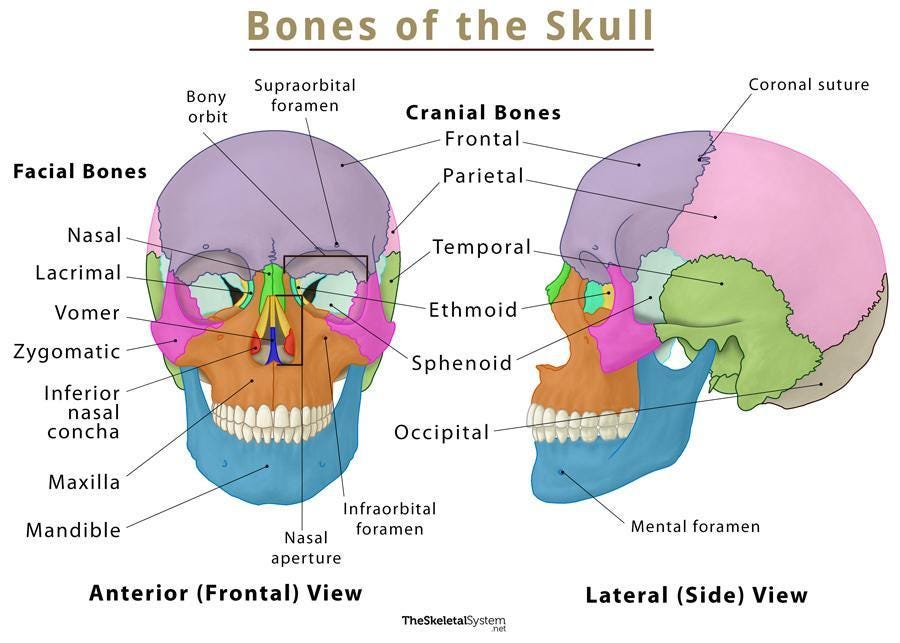
Thus, the face ‘lifts’ naturally as it is no longer pulled down by tension-adhesion. As the facial bones push out of the face, features become more defined and prominent. Facial volume increases, which means the previously sagging or wrinkled skin are smoothed out. Tensions on the surface of the face itself also start to release, making it smoother and more relaxed. In all likelihood, without tension ‘squeezing’ the face, the body can rejuvenate and repair damaged skin cells far more effectively.
As the facial structure ‘inflates’, the face regains its structure, definition, and smoothness.
A facelift, or rhytidectomy, is a cosmetic surgical procedure designed to create a more youthful appearance by reducing sagging skin and wrinkles on the face and neck. It involves lifting and tightening the underlying facial muscles and tissues, removing excess skin, and re-draping the remaining skin to achieve smoother, firmer contours.
Botox: How It Works
When injected in small, controlled doses, Botox prevents nerve cells from releasing acetylcholine, a neurotransmitter that signals muscles to contract. This induced muscle relaxation is temporary, with effects typically lasting three to four months, after which regular follow-up injections are needed to maintain the results.
The most common use of Botox is to reduce the appearance of fine lines and wrinkles caused by repetitive muscle movements (dynamic wrinkles]
Fillers: How They Work
As the body ages, it loses collagen, elastin, bone density, and facial fat, leading to sagging skin, fine lines, and a hollow appearance. Fillers are injected beneath the skin to literally “fill in” or plump these areas, providing structural support and a more youthful, refreshed look.
These are all attempts to ‘cover-up’ or alleviate the collapsed facial structure. The underlying tension-forces continue to pull on and contract the face, and cosmetic interventions eventually lose their effectiveness and become increasingly difficult as the collapse intensifies.
And as far as I know, there’s no intervention possible for the eyes except surgery to adjust and remove skin tissue to make it ‘look’ bigger. Very few people do it to look younger. But I managed to do it…DIY. Based on the concepts of my tension-charge model.

So far, I believe I am the pioneer of this tension-charge model, or at least, the first one that has synthesized available knowledge into a cohesive model. I have not seen anything in mainstream science that contradicts or disagrees with my model. Spirituality, psychology, mainstream science, etc have pieces of the puzzle. Its just that the world has not connected the dots yet.
Which is why you have not heard of this anti-aging bio-logic before…I AM THE GENIUS PIONEER CREATOR OF IT. And because this bio-logic is not yet understood, therefore it seems ‘no one’ has ‘done it’ yet. The same way Man could not land on the moon 1000 years ago. Perhaps, it will be ‘obvious’ on hindsight, the same way many physics and mathematical logic seems simple and obvious once someone connects the first dots.
And the super-genius of this is that its entirely free, accessible and available to everyone and anyone to try it for themselves. The worst that can happen is you release some tensions from your body. And its so simple to ‘do’ - just sense and feel where are the tensions and adhesions in your neck/face and use direct manual pressure to release them. At this point, its mostly theoretical since we are ground zero but this is some revolutionary humanity-changing stuff if it turns out to work as well as I think it does.
(Edit: I wrote a guide on how to release neck tension here)
Are you ready!?!?